Remodeling and Renovation in New York City Starts With the Right Scope
Finding the right path for remodeling in New York City often begins with a simple but important question: what kind of project are you really planning? Some homeowners start with a clear room-by-room plan, while others know they want a broader update but are not yet sure whether the work fits a selective remodel, a larger home renovation, or a more extensive gut renovation. That early distinction matters because scope affects nearly everything that follows, including budgeting, planning, timeline expectations, and the kind of next conversation that will be most useful.
In NYC, renovation decisions are often shaped by housing type, layout limitations, older interiors, and the practical reality of improving the home you already have instead of starting over somewhere else. A project in an apartment may call for a very different starting point than a project in a townhouse, and a kitchen or bathroom update may need a different planning lens than a full-home interior reset. That is why a strong first step is not just about searching for a remodeling company in New York City. It is also about understanding what the project includes, how large the scope really is, and which renovation direction makes the most sense before moving further.
New York Remodel is designed to support that early stage with clearer service-fit guidance, broader renovation context, and a more practical next step for homeowners who are comparing options. Whether you are planning a layout update, a broader interior refresh, or a deeper full-scope renovation, the goal is to help you start with better clarity instead of guesswork.
Choosing Between Apartment Remodeling, Home Renovation, and Gut Renovation
One of the biggest reasons homeowners hesitate at the beginning of a project is that different renovation categories can sound similar from the outside. In practice, they serve different needs. For many NYC homeowners, apartment remodeling is the most natural starting point when the project is centered around an apartment layout, older finishes, space efficiency, and modernization. This path often makes sense when the goal is to improve how the home functions day to day without treating the project like a generic suburban remodel.
A broader home renovation usually becomes the better fit when the work extends across multiple rooms or involves a more connected interior plan. Instead of approaching the home as a series of separate updates, this direction makes more sense when the project needs to be viewed as one larger renovation with related decisions around flow, finish level, function, and overall scope. It is often the right path for homeowners who know they need more than a kitchen or bathroom refresh but are not yet sure that the project rises to gut-renovation territory.
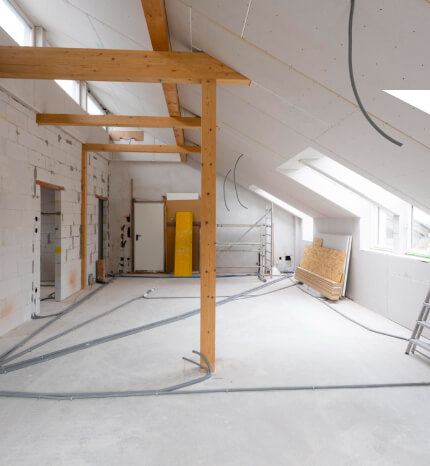
A gut renovation generally speaks to projects that require a deeper interior reset, more substantial reworking of the existing space, or a broader change in the way the home is organized and updated. For some homeowners, that means a newly purchased property that needs major interior work before it truly fits their needs. For others, it means an older home or apartment where selective improvements would not solve the larger issues. The value of understanding this difference early is that it creates a more realistic project conversation from the start and helps avoid forcing very different renovation types into the same bucket.
For a lot of homeowners in New York City, the first real win is not choosing every detail immediately. It is narrowing the project into the right category so budgeting, planning, and next-step conversations can become more useful and more specific.
Kitchen, Bathroom, and Brownstone Projects Often Need a Different Starting Point
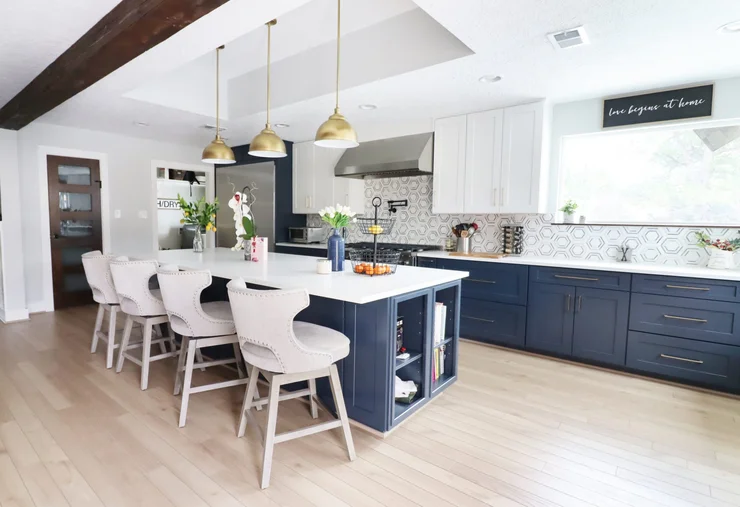
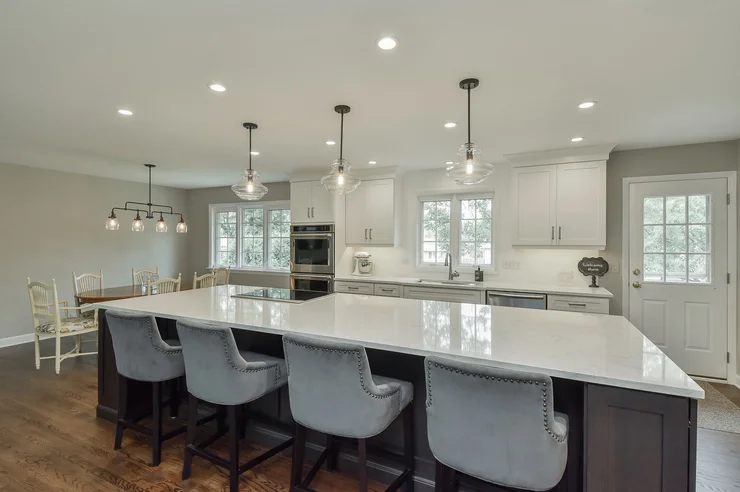
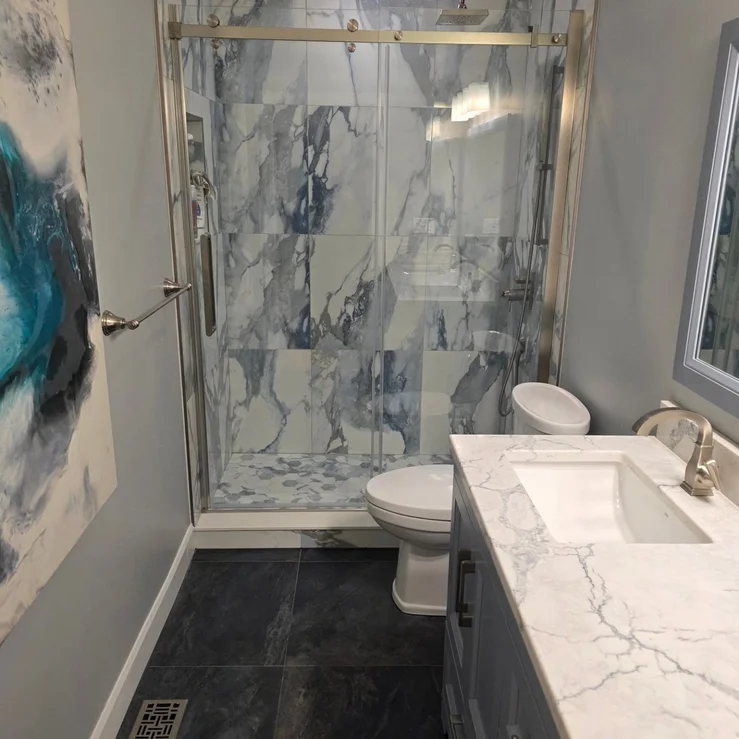
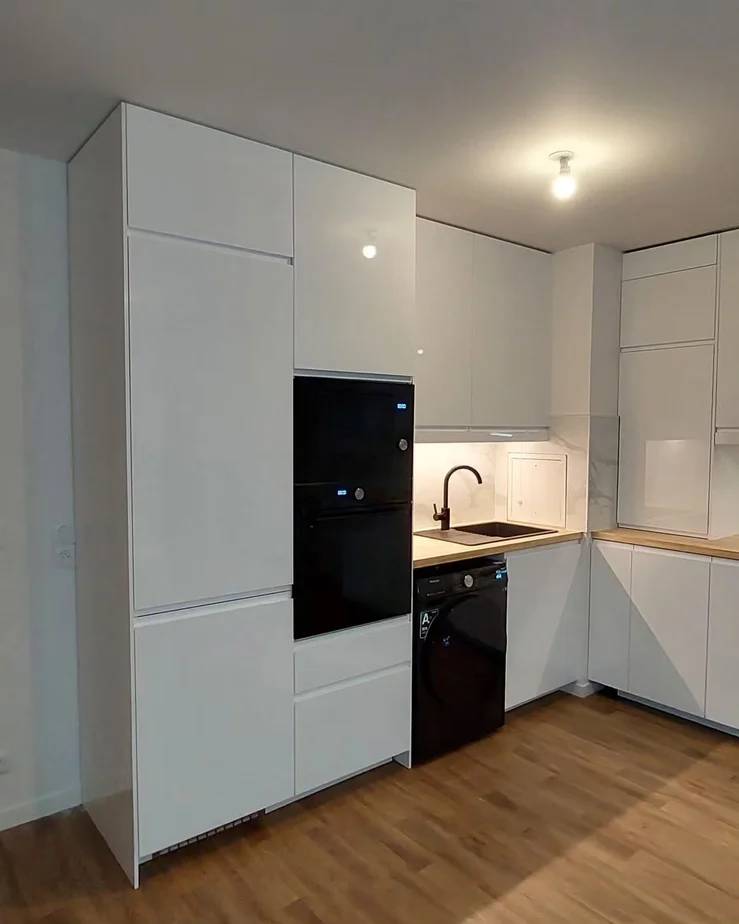
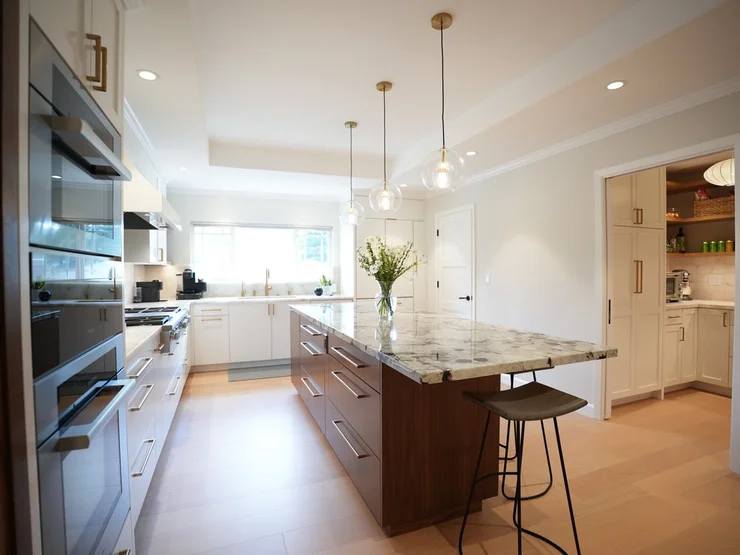
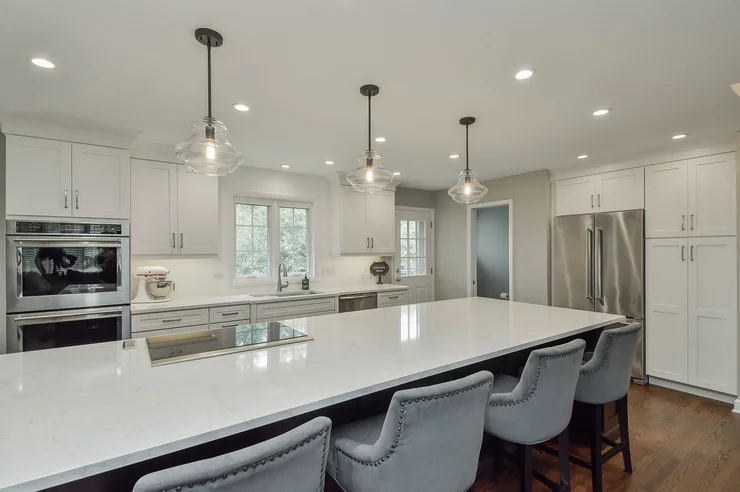
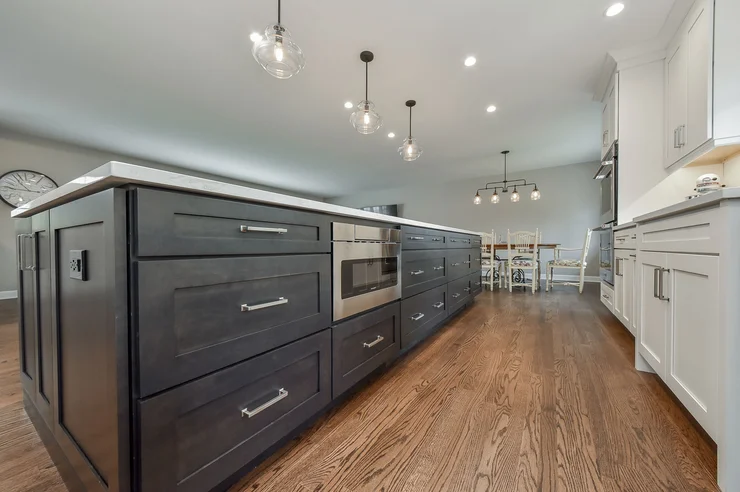
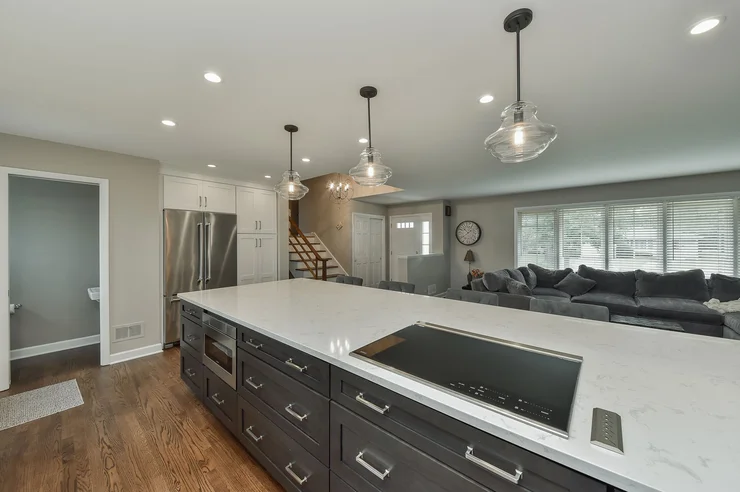
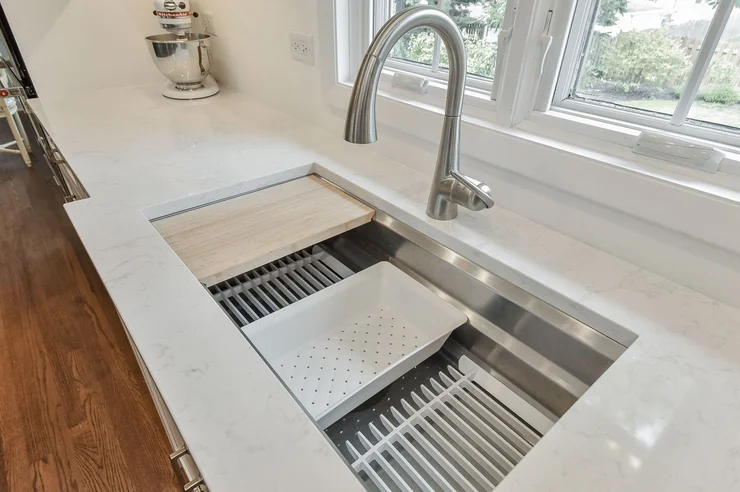
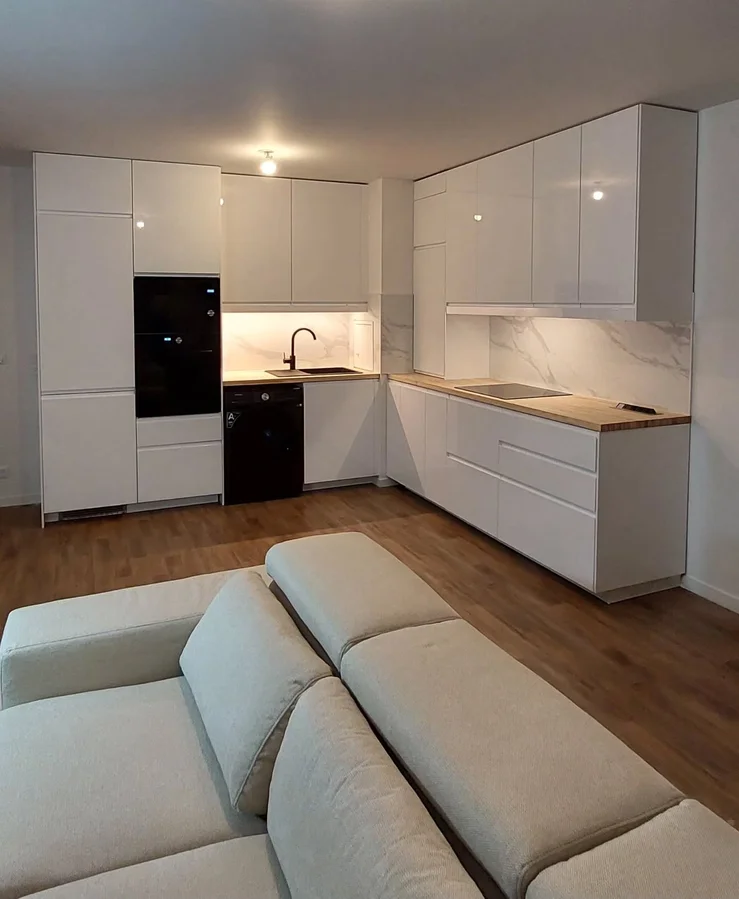
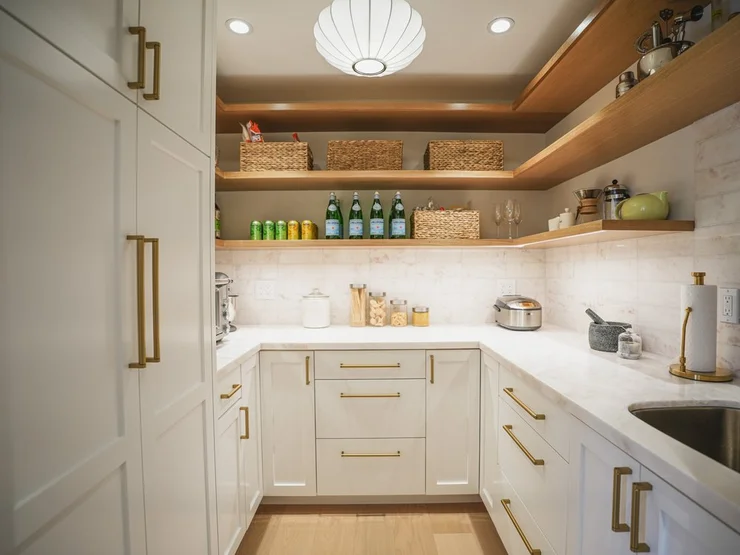
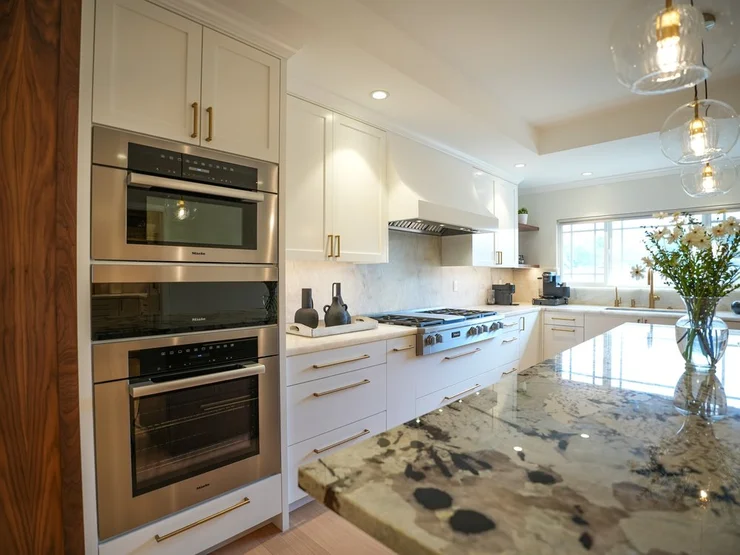
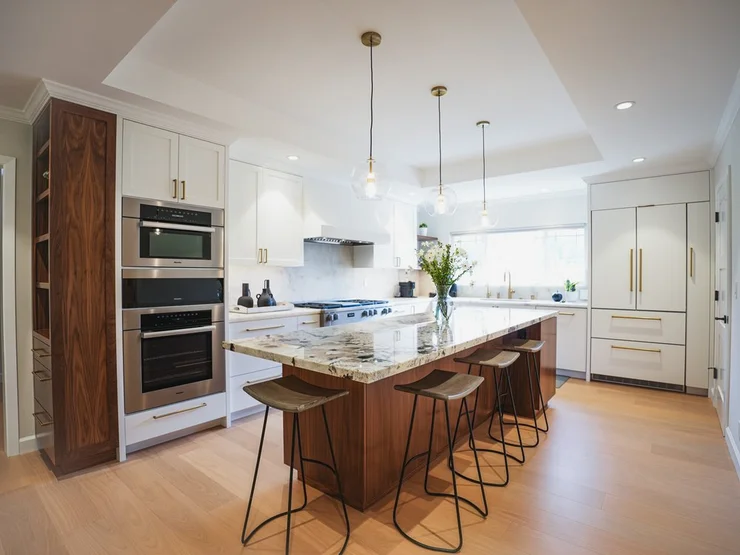
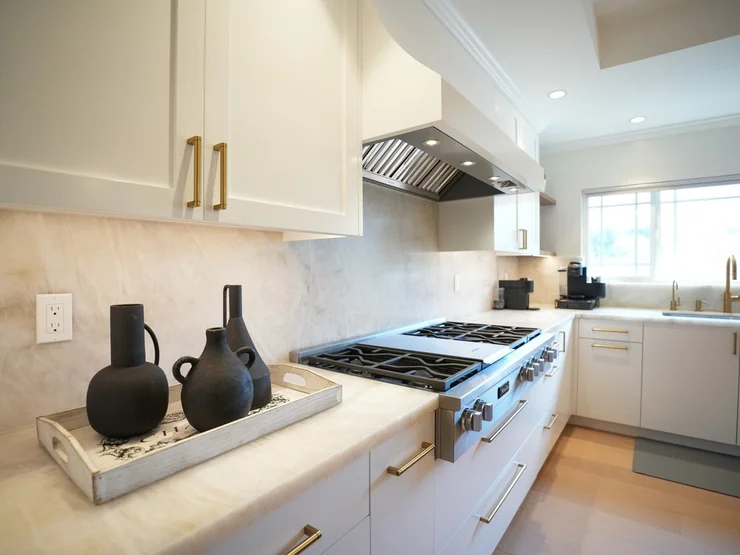
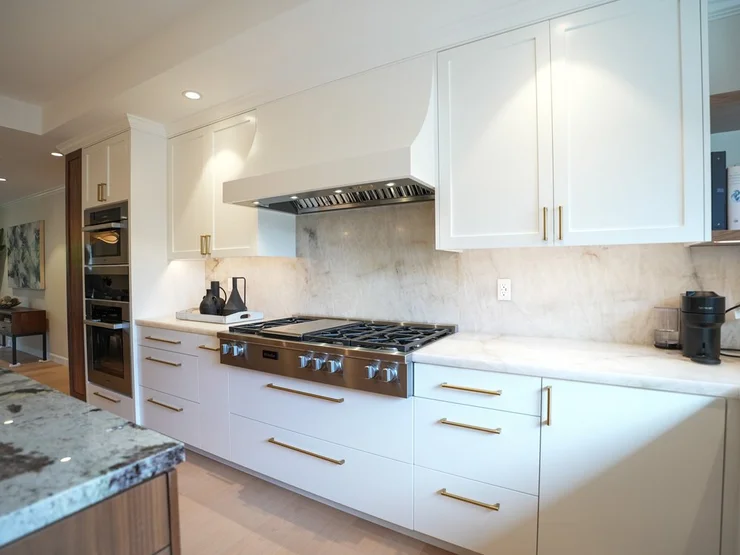
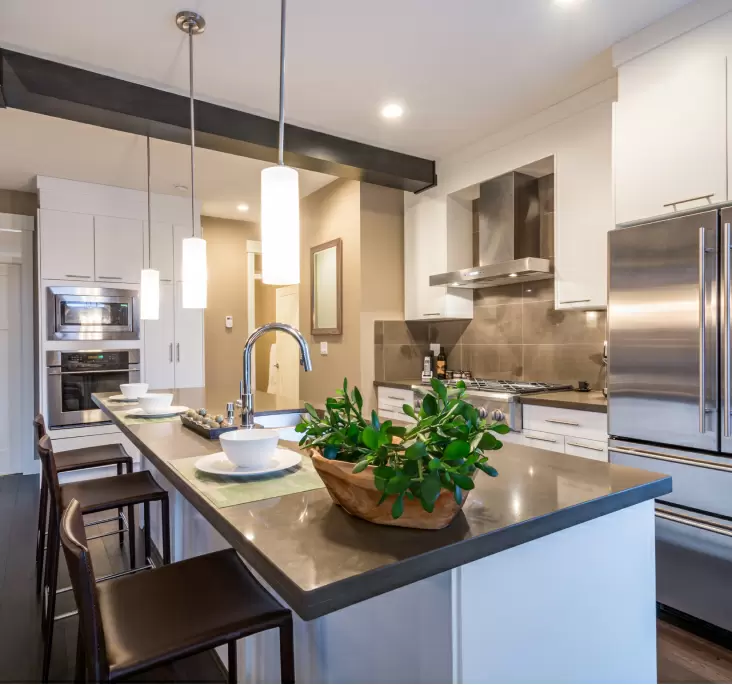
Not every renovation begins as a whole-home discussion. In many cases, the project starts with one or two spaces that are no longer working well. Kitchen remodeling and bathroom remodeling remain two of the most common renovation priorities because they affect daily comfort, storage, routine, and overall usability. These projects may look more contained than a full-home renovation, but they still benefit from clear scope, realistic planning, and a good understanding of what the homeowner wants the space to do better.
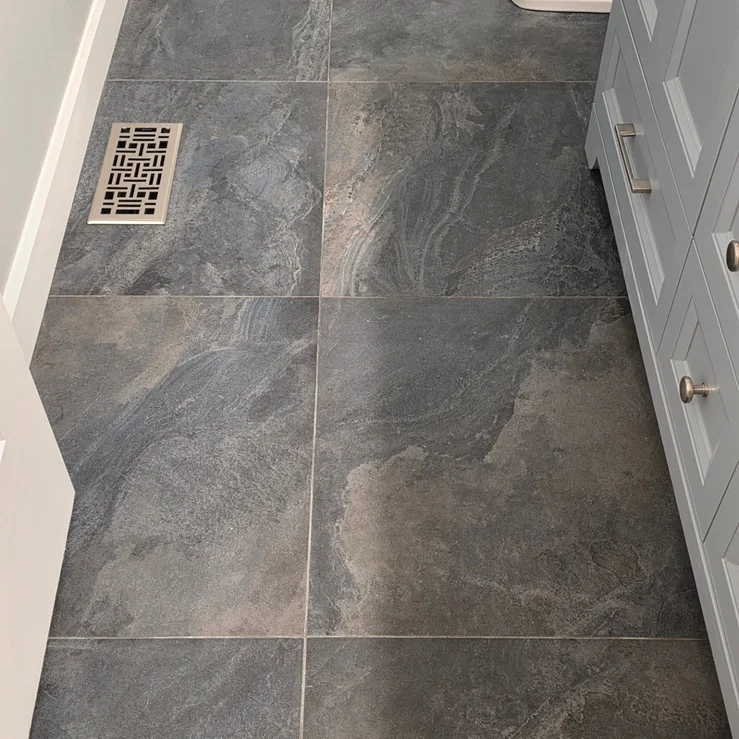
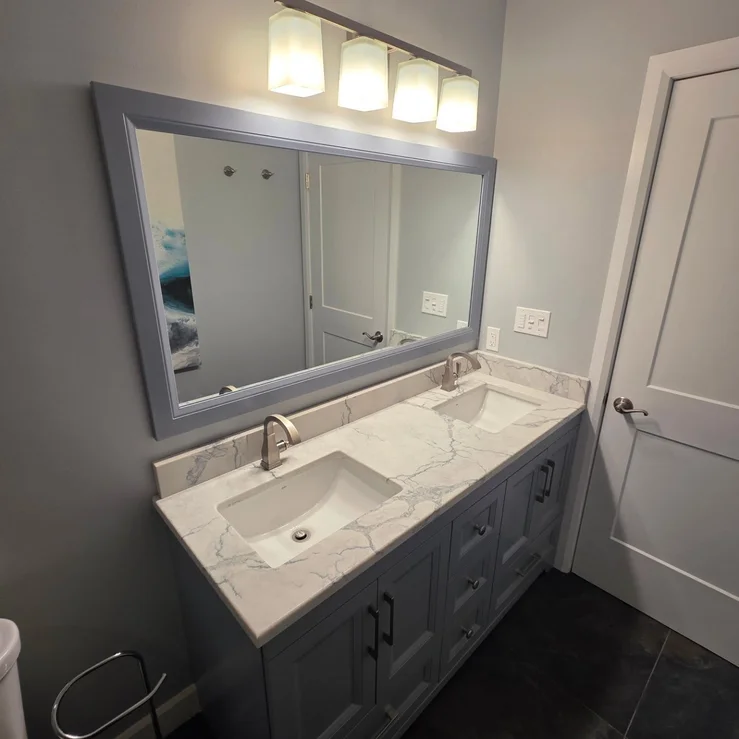
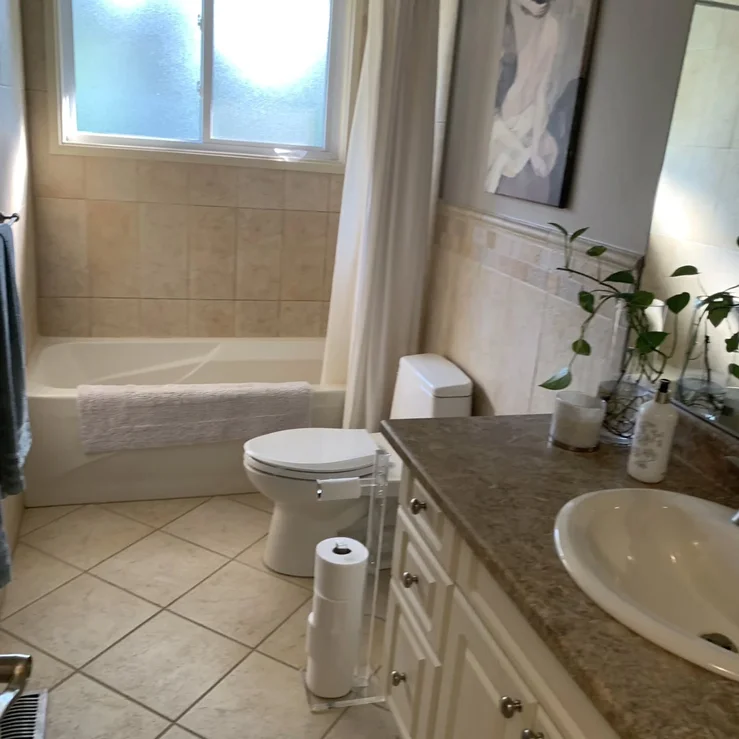
Kitchen projects are often driven by function, layout, storage, and the need to make better use of limited urban space. Bathroom projects often begin with practical concerns as well, including comfort, daily efficiency, aging interiors, or a need to improve how the space works over time. In both cases, the project can stay room-focused or become part of a wider renovation strategy depending on what else in the home needs attention. That is why these renovation paths should be easy to explore without forcing them to carry the entire weight of full-home intent on the homepage.
Brownstone and townhouse renovation projects also deserve a different starting point because the property type itself often shapes the renovation logic. These homes can involve a broader set of decisions around modernization, layout use, interior flow, and the balance between existing character and updated function. They should not be framed as generic house remodels with the city name swapped in. For homeowners planning this kind of project, it helps to start with a page and a conversation that better reflect the realities of that property type from the beginning.
Taken together, these service paths show why a broad homepage still needs clear routes into more specific renovation categories. Homeowners are not all solving the same problem, and the strongest renovation sites make those differences easier to understand.
Planning the Next Step With More Cost and Process Clarity
After project fit, the next question is usually cost. While no homepage can replace a full project discussion, it should help homeowners think more clearly about what affects pricing in the first place. Renovation budgets in NYC are shaped by the size of the project, the condition of the existing space, the degree of layout change, the number of rooms involved, and the level of finish the homeowner is aiming for. That is why broad price assumptions are usually less useful than a better understanding of scope.
To help with that early planning stage, homeowners can explore the NYC renovation cost guide for more context around cost drivers, project differences, and budget framing. They can also visit How It Works to understand how the intake process begins and what the first step is meant to accomplish. Together, those pages support the same goal as the homepage: helping people move from uncertainty to a more informed renovation decision without overcomplicating the start of the process.
If you already have a project in mind, the next step may simply be to tell us about your renovation. Whether you are comparing apartment remodeling with a broader home renovation, weighing a room-focused update against a larger interior project, or trying to understand what kind of work your property may need, a clearer conversation is often the best place to begin.


 Online
















 10+ days