Online

 Home
Home

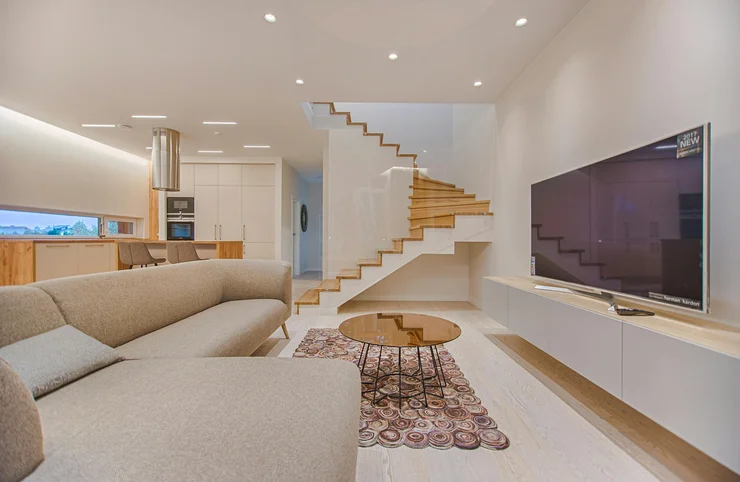

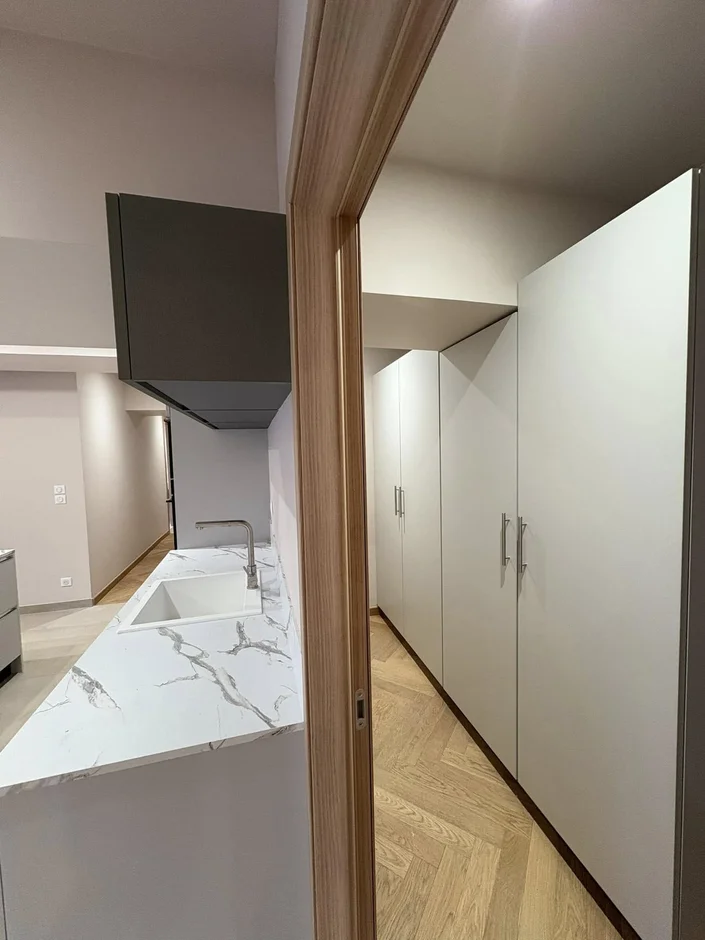
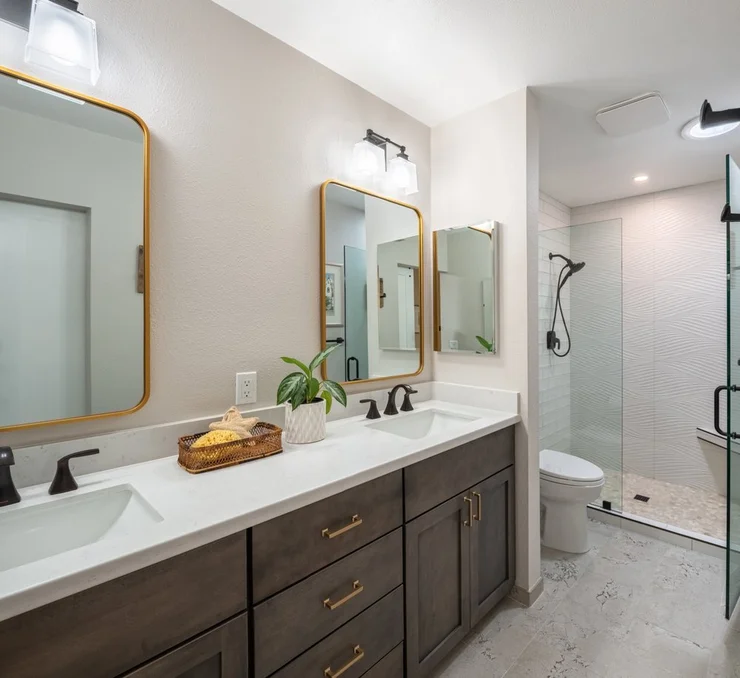
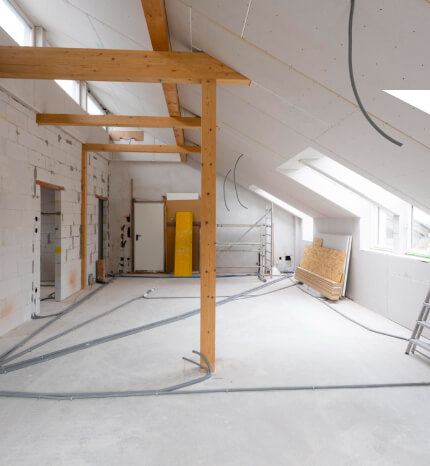
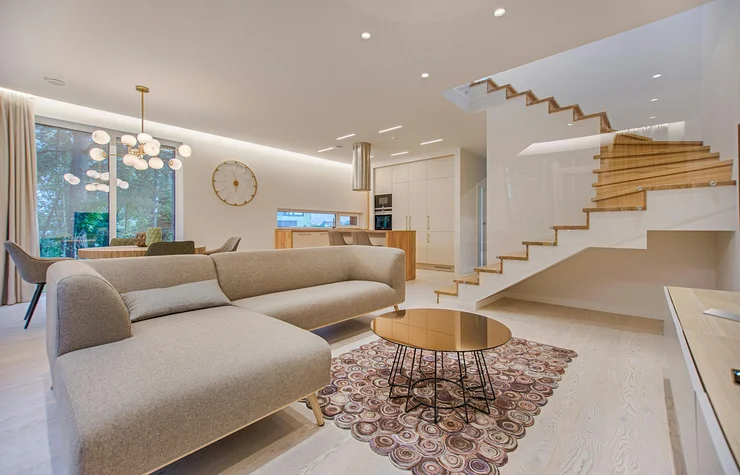
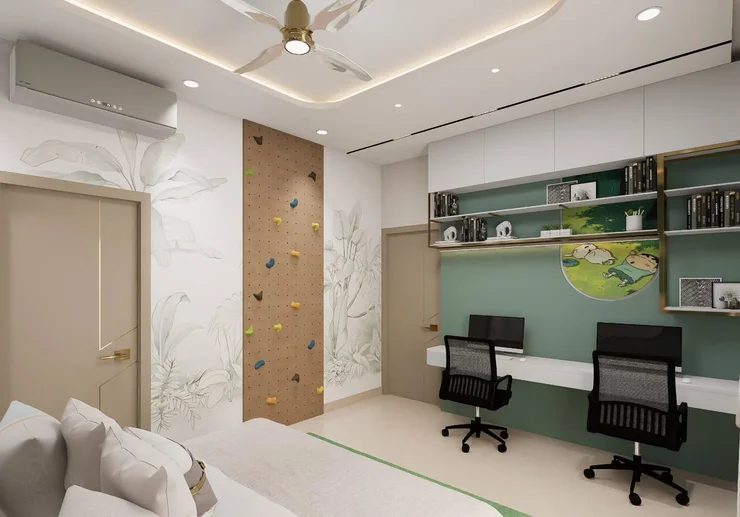
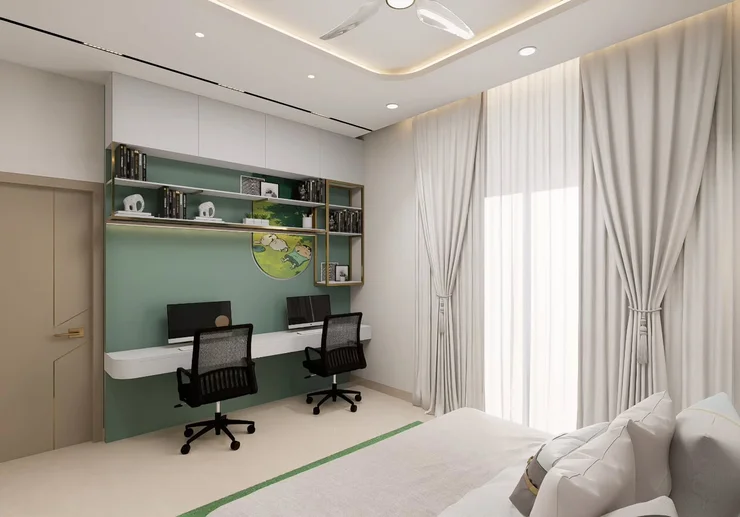
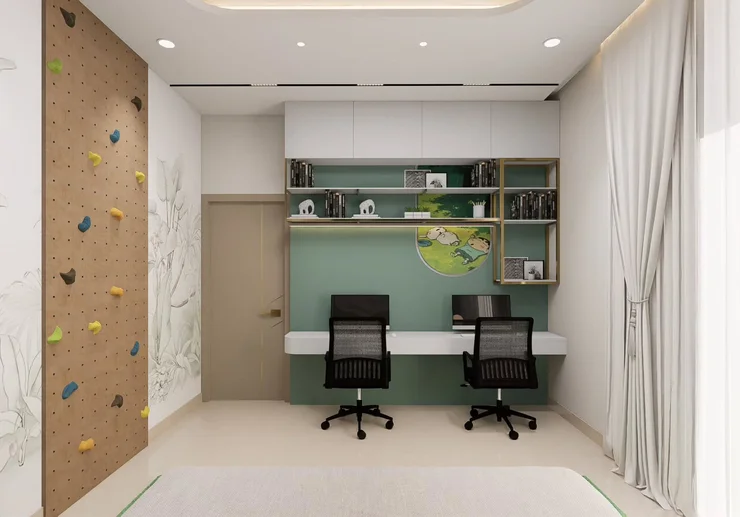
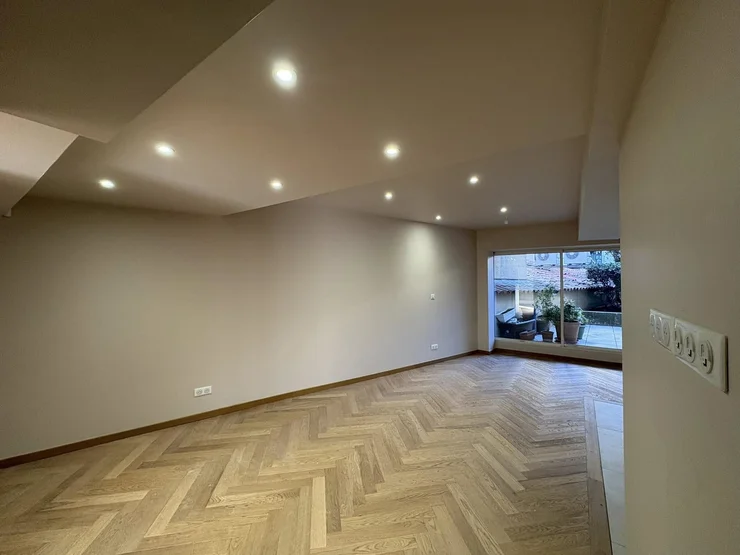
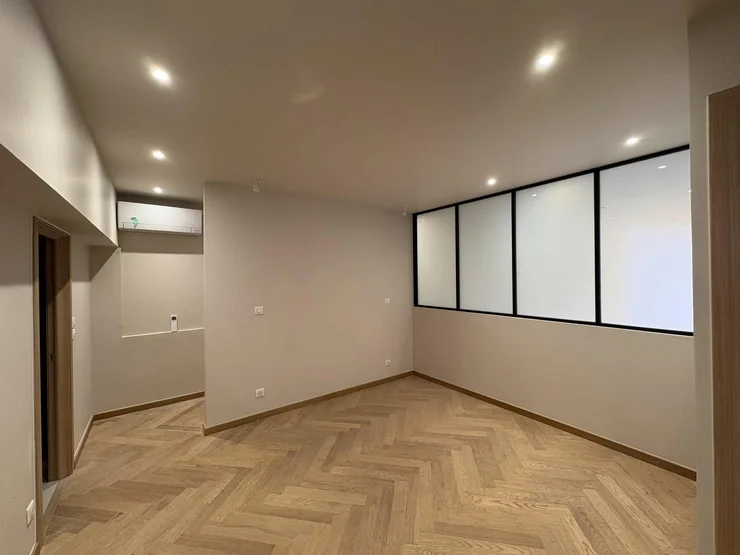
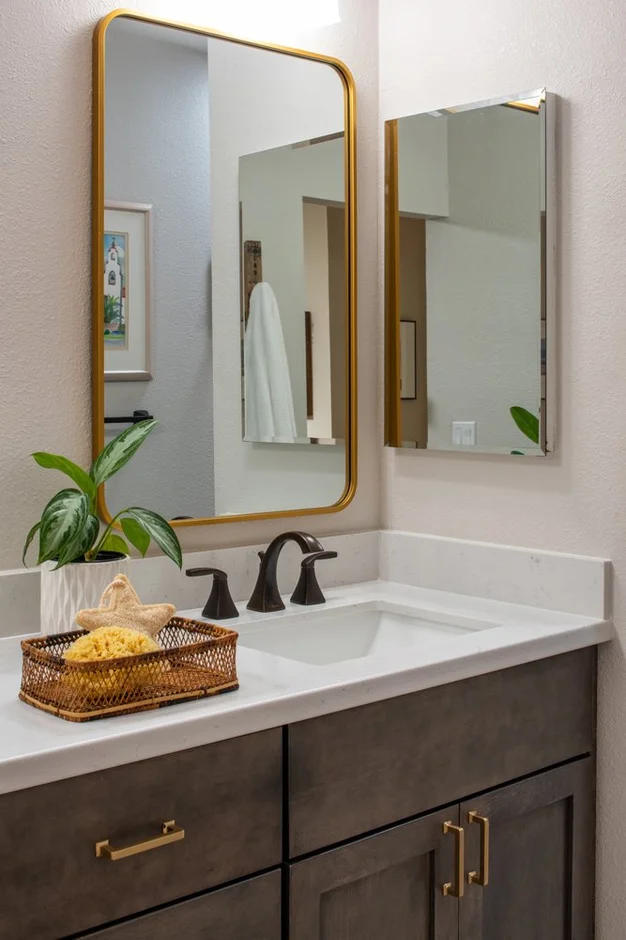
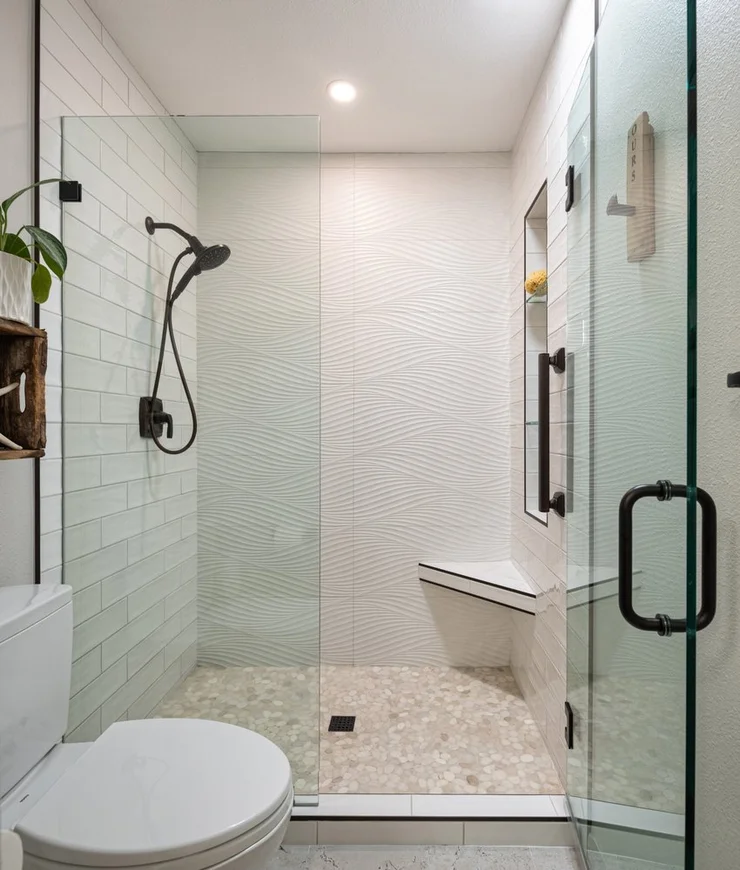
Home renovation in NYC often begins when a project grows beyond one room and starts calling for a more connected plan. Instead of treating the home as a set of separate upgrades, a whole-home renovation looks at how multiple spaces work together, where the layout falls short, and what needs to change to make the home function better overall. For many homeowners, that shift happens when scattered updates no longer feel like the right answer and a broader interior renovation becomes the more practical path.
Not every project starts as a full gut renovation, but many New York City homes need more planning than a room-by-room update can provide. When the renovation touches several spaces, affects daily flow, or needs to solve larger problems across the interior, a whole-home approach usually creates a clearer and more useful starting point.
What Home Renovation Usually Means in NYC
In practical terms, home renovation usually refers to a broader residential project that goes beyond one isolated area of work. It often includes multiple rooms, a more coordinated design direction, and a stronger focus on how the home functions as a whole. In NYC, that kind of renovation may be shaped by older interiors, layout inefficiencies, disconnected past updates, or the need to make better use of the space you already have.
A whole-home renovation is not just a bigger version of a kitchen or bathroom remodel. It is a different planning category. The decisions affect more rooms, more daily routines, and more of the interior relationship between spaces. That is why this type of project usually benefits from clearer scope early on, especially when the homeowner is still deciding whether the renovation should stay selective, move into broader full-home territory, or cross into a deeper reset.
What This Kind of Project Often Includes
Every home renovation is different, but broader renovation projects in NYC often involve a more connected interior strategy rather than a series of disconnected upgrades.
- Coordinated renovation across multiple rooms instead of isolated room-by-room changes
- Kitchen and bathroom updates planned within a larger interior scope
- Layout and flow improvements that affect how the home works day to day
- Finish modernization across more than one part of the home
- Function-driven updates that improve usability, comfort, and continuity
- A more complete interior renovation plan that helps the home feel cohesive
This does not automatically mean the project is a full gut renovation. In many cases, it means the home needs broader planning, stronger sequencing, and better coordination across spaces so the final result feels intentional instead of pieced together over time.
When Homeowners Move Beyond Room-by-Room Updates
Many homeowners begin with one room in mind, but the project often becomes broader once they look at the whole interior more carefully. A kitchen update may raise larger layout questions. A bathroom remodel may make the rest of the home feel more dated. Several smaller issues across different rooms may point toward one connected renovation instead of a chain of separate projects.
- Several rooms need meaningful change at the same time
- One renovation decision starts affecting other parts of the home
- Layout or flow problems are not limited to one room
- Scattered updates would leave the interior feeling inconsistent
- A broader plan would solve more problems than isolated remodeling work
- The home needs better continuity in function, finishes, and overall use
That is often the point where a whole-home renovation becomes the stronger fit. The goal is not to make the project larger for its own sake. It is to make sure the renovation matches the real scope of the problems you are trying to solve.
Common Goals in a Whole-Home Renovation
Homeowners usually choose a broader renovation path because they want the home to work better as a complete living environment, not just because they want one area to look newer.
- Make the interior feel more cohesive across multiple rooms
- Improve layout and circulation throughout the home
- Update several outdated areas within one connected project
- Create better continuity between kitchen, bathroom, and living spaces
- Improve long-term comfort, storage, and everyday usability
- Bring older interiors into better alignment with current needs
- Replace years of piecemeal updates with one stronger renovation plan
These are the kinds of goals that usually sit behind home remodeling in New York when the project has grown beyond one simple room update. They also help explain why whole-home renovation deserves its own service page instead of being treated like a generic category for every type of project.
Home Renovation vs. Apartment Remodeling vs. Gut Renovation
These service paths can overlap, but they are not the same. A home renovation is often the right fit when the work spans multiple spaces and needs to be planned as one larger residential project. It sits in the middle ground between isolated room remodeling and the deeper reset associated with a full gut renovation.
Apartment remodeling is usually the better fit when the project is shaped primarily by apartment-specific layout, storage, modernization, and space-efficiency needs. That page is more housing-type specific. A gut renovation becomes the better description when the work moves past broader renovation and into a deeper full-scope interior reset. Not every home renovation reaches that threshold, even when the project is substantial.
If the home is a property type with its own stronger context, such as a townhouse or brownstone, it may also make sense to explore brownstone and townhouse renovation. The point is not to overcomplicate the process. It is to make sure the page and service path actually match the kind of project you are planning.
Kitchen and Bathroom Updates Often Make More Sense Inside a Larger Plan
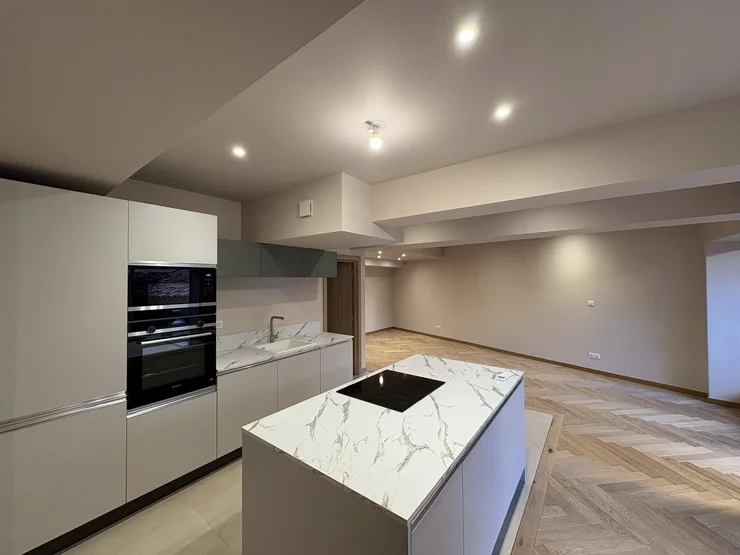
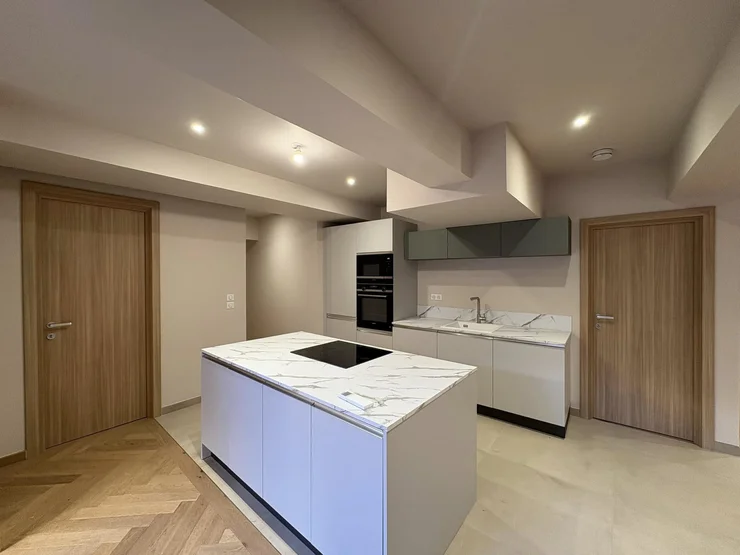
In many homes, the kitchen and bathroom are the first spaces that push a renovation forward. But when several rooms need attention together, those updates are often stronger when they are planned as part of a whole-home renovation rather than treated as disconnected projects. A broader approach can help the home feel more consistent in layout, use, and finish direction across the spaces that matter most every day.
- Kitchen updates may connect to wider layout and flow improvements
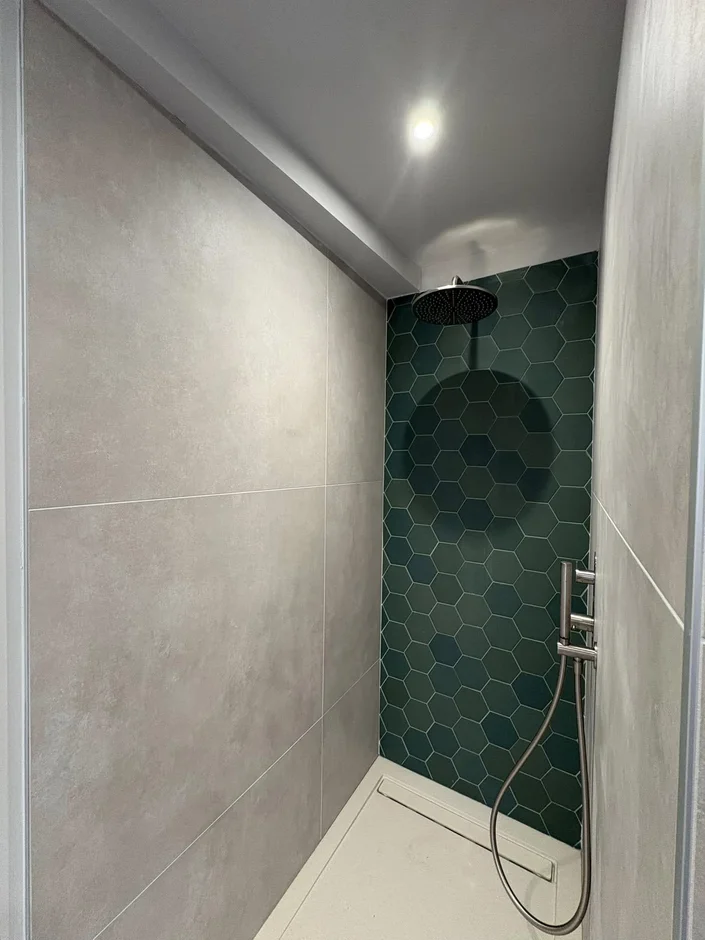
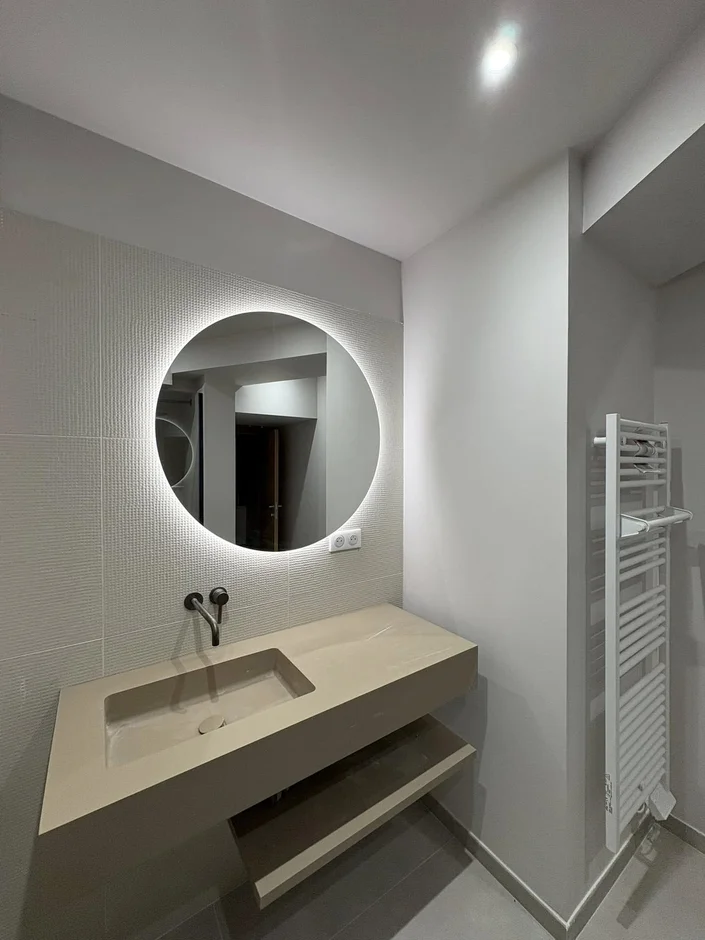
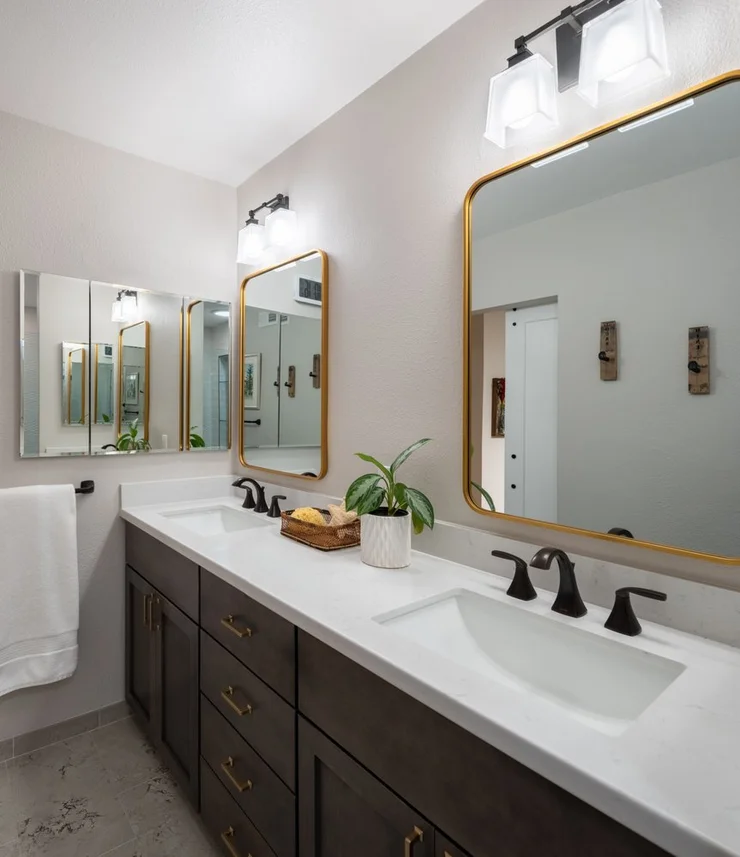
- Bathroom remodeling may make more sense within a larger interior plan
- Finish choices often work better when more than one room is considered together
- Daily-use spaces usually feel stronger when they follow one coordinated renovation strategy
If the project is clearly limited to one space, it may be more useful to explore kitchen remodeling or bathroom remodeling. If the work needs to function as one broader interior renovation, this page is the better starting point.
Why Whole-Home Projects Need More Planning
The larger the renovation becomes, the more important planning clarity tends to be. Once the project spans multiple rooms, there are more decisions that affect one another. Layout, finish level, room sequence, and the overall scope all matter more because they shape the home as a complete environment rather than one isolated corner at a time.
This is one of the biggest reasons whole-home remodeling should be approached differently from smaller projects. It is not just a matter of adding more rooms to the same idea. A broader renovation changes the scale of the conversation. It pushes homeowners to think about how the home should function as a whole, which parts of the project need to be treated together, and whether a more connected interior strategy will create a better final outcome.
What Affects Home Renovation Cost in NYC
Home renovation cost in NYC depends less on one simple average and more on how broad the project really is. Two homeowners may both describe the work as a home renovation, but the scope can vary significantly depending on how many rooms are involved, how outdated the existing interior is, how much layout change is being considered, and how coordinated the final renovation needs to be.
- The number of rooms included in the project
- The depth of the renovation across the interior
- The existing condition of the home before work begins
- The amount of layout change or reworking involved
- The finish level and how cohesive the final result needs to be
- Whether the project stays selective or becomes more extensive over time
For a broader view of renovation pricing logic, visit the NYC Renovation Cost Guide. It offers more context on how scope, project type, and decision-making affect cost expectations.
Online repair cost calculation in New Yrk


How the First Step Usually Starts
Most homeowners do not begin with every room fully defined. They begin with a growing sense that the project is larger than one isolated remodel and needs a clearer plan. The first step is usually about understanding scope, deciding whether the renovation should be treated as one connected project, and getting a more realistic sense of what kind of path fits the home.
If you want to see how that early stage is framed, visit How It Works. That page gives more context on how project inquiries begin and how the next step becomes easier to define once the renovation scope is clearer.
FAQ
What is considered a home renovation in NYC?
A home renovation usually refers to a broader residential project that affects more than one isolated room. It often involves multiple spaces, a more connected interior plan, and renovation decisions that need to work together across the home.
When is whole-home remodeling a better fit than room-by-room updates?
Whole-home remodeling is often the better fit when several areas need meaningful change together, when layout or flow problems affect more than one room, or when piecemeal updates would leave the home feeling inconsistent and unfinished.
Is home renovation the same as gut renovation?
Not always. Home renovation is a broader category that can include many levels of scope. A gut renovation is more specific and usually refers to a deeper full-scope interior reset rather than a broader connected renovation that stops short of that threshold.
Can kitchen and bathroom work be part of one larger home renovation?
Yes. In many projects, kitchen and bathroom updates are major parts of a wider home renovation. Planning those rooms within a larger strategy often creates stronger continuity in layout, finish direction, and everyday use across the home.
What affects whole-home renovation cost the most?
The biggest cost factors are the number of rooms involved, the depth of the renovation, the condition of the existing interior, the amount of layout change, and the finish level needed across the project.
Start Your Home Renovation With a Clearer Scope
If your project has grown beyond one room and needs a more connected plan, a whole-home renovation may be the right path. A clearer sense of scope makes it easier to compare options, think realistically about cost, and move forward with better direction from the start.