Online


 Home

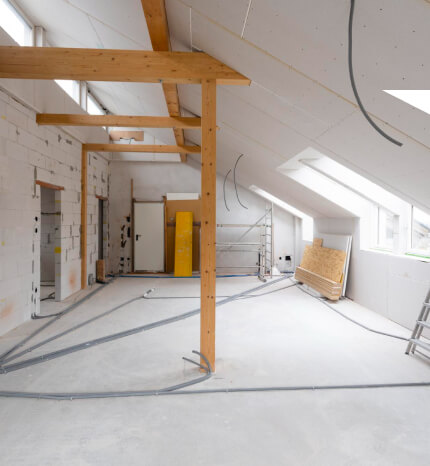
A gut renovation in NYC is a deep interior renovation in which substantial existing finishes, partitions, building systems, or interior assemblies are removed or opened so the space can be substantially rebuilt. Some projects are stripped back almost entirely to framing and structural elements. Others intentionally retain selected walls, floors, architectural details, or systems while the rest of the interior is reconstructed.
The word “gut” is useful shorthand, but it is not a complete scope of work. It does not tell you which walls remain, whether plumbing moves, how much electrical work is planned, whether structural changes are involved, or which existing features should be preserved. Before comparing contractor estimates, the demolition depth and intended rebuild should be defined much more precisely than the project label alone.
What Does a Gut Renovation Actually Mean in NYC?
A gut renovation describes the depth of intervention rather than the size of the property. The work may cover an entire apartment, one floor of a townhouse, or another substantial part of a residence. What makes the project a gut renovation is the amount of existing interior that must be removed, opened, replaced, or reconstructed to achieve the intended result.
Depending on the property and scope, a gut renovation can involve:
- removing existing finishes, cabinetry, fixtures, and selected floor assemblies;
- opening or removing interior walls and ceilings;
- changing room layouts and rebuilding partitions;
- relocating kitchens or bathrooms;
- substantial plumbing or electrical work;
- changes to heating, cooling, ventilation, or other mechanical systems;
- structural work where required by the proposed layout;
- new subfloors, wall assemblies, waterproofing, and finish surfaces;
- new cabinetry, millwork, doors, flooring, lighting, and fixtures; and
- rebuilding the interior around a substantially different plan.
Not every project includes every item on this list. A useful gut-renovation scope should identify what is actually being removed, what is staying, and what will be rebuilt rather than relying on the word “gut” to describe everything.
When a Project Is — and Is Not — a Gut Renovation
A gut approach can make sense when the desired result depends on substantial demolition or when several fundamental parts of the existing interior no longer support the intended plan. That may happen when the layout needs a major reset, multiple systems require significant work, kitchens and bathrooms are moving, or the property has accumulated layers of earlier alterations that make selective updates impractical.
A project may be moving into gut-renovation territory when:
- large portions of the existing interior must be opened or removed;
- multiple partitions are being rebuilt or substantially reconfigured;
- major plumbing or electrical changes affect several areas;
- the existing layout is being fundamentally reorganized;
- substantial hidden building conditions need to be accessed;
- several finish assemblies must be rebuilt from the underlying substrate; or
- piecemeal renovation would repeatedly disturb work completed in other areas.
But a large renovation is not automatically a gut renovation. Repainting an entire apartment, replacing flooring, renovating a kitchen and bathrooms, adding millwork, or updating finishes throughout the property can still be a major project while retaining most walls, layouts, and systems.
Defining the project accurately matters because calling something a “full gut” can create assumptions about demolition, cost, professional involvement, permits, and schedule that may not match the work actually needed.
Gut Renovation vs. Whole-Home Renovation
The difference is easiest to understand as depth versus breadth.
A whole-home renovation describes breadth. It can involve every room in a property while still preserving much of the existing layout, partitions, and building systems.
A gut renovation describes depth. A substantial portion of the interior is opened, removed, or rebuilt. That depth may apply to the entire property or only a major part of it.
A project can therefore be both whole-home and gut. It can also be a gut renovation without involving every room. Keeping the concepts separate helps prevent scope decisions from being based on labels instead of the actual construction required.
Decide What Will Be Removed, Retained, and Rebuilt
A good gut-renovation plan should define demolition almost as carefully as the finished design. “Remove everything” may sound simple, but existing properties often contain elements that can or should remain.
Before demolition, decisions may be needed about:
- which partitions stay and which are removed;
- whether ceilings are opened or retained;
- which floor assemblies are removed;
- whether existing doors, trim, moldings, flooring, or other details should be preserved;
- which plumbing and electrical components remain usable;
- whether existing heating or cooling systems are retained or changed;
- which structural elements are affected by the proposed layout; and
- which parts of the property need access for investigation even if they are not ultimately replaced.
Selective retention can reduce unnecessary work, preserve useful or important features, and make the final scope more accurate. At the same time, retaining an element only makes sense when its condition and relationship to the new project have been considered.
What Needs to Be Decided Before Demolition
Demolition is the first highly visible construction phase, but it should not be the first project phase. Starting to remove walls and finishes before the major decisions are sufficiently developed can create redesign, rushed selections, duplicated work, additional change orders, or delays while the project waits for information that could have been addressed earlier.
Before demolition begins, the project should define as much as reasonably possible about:
- the intended floor plan;
- walls and architectural elements that must remain;
- known structural implications;
- kitchen and bathroom locations;
- major plumbing and electrical assumptions;
- heating, cooling, and ventilation changes where relevant;
- building or property requirements;
- professional plans and permits where required;
- materials or equipment with long lead times;
- responsibility for purchasing major materials; and
- how genuinely concealed conditions will be handled after demolition.
Not everything can be known before opening the existing construction. The goal is not false certainty. It is to avoid treating demolition as a substitute for planning.
What Demolition Can Reveal
One of the defining realities of a gut renovation is that opening walls, ceilings, and floors can turn assumptions about the existing property into visible facts.
Depending on the age and history of the building, demolition may reveal:
- previously altered framing;
- abandoned or unexpected piping;
- electrical work completed at different times;
- actual plumbing and mechanical routes;
- uneven or deteriorated substrates;
- moisture or previous water damage;
- closed openings or earlier layout changes;
- conditions around joists, partitions, or other structural elements; and
- work that could not reasonably be seen through existing finishes.
This is why a detailed proposal should distinguish between known scope, assumptions, allowances, exclusions, and true hidden conditions. Those categories are not interchangeable.
A concealed condition can legitimately change the work when it could not reasonably have been identified beforehand. But “hidden conditions” should not become a catch-all explanation for obvious items that were simply omitted from the original scope.
The change-order process should therefore be understood before demolition, including how newly discovered work will be documented, priced, and approved.
Structure, Plumbing, Electrical, and Mechanical Systems
Deep renovation creates an opportunity to evaluate systems in the context of the final layout rather than one room at a time. That does not mean every gut renovation requires complete replacement of every existing system.
Structural Work
Removing finishes or non-structural partitions is different from changing load-bearing construction. If the proposed renovation affects structural walls, beams, columns, joists, floor openings, or other structural elements, additional evaluation, design, filings, or inspections may be required depending on the work.
A gut label by itself does not establish that structural work is necessary. The proposed layout and existing building determine that question.
Plumbing
Moving kitchens and bathrooms can affect supply, waste, venting, vertical risers, and connections to existing building systems. Replacing fixtures in existing locations is a different scope from substantially relocating wet areas.
In a shared building, plumbing decisions may also interact with building rules and the conditions above and below the apartment.
Electrical Work
A larger interior rebuild may involve lighting, receptacles, appliance loads, new circuits, panel considerations, and wiring affected by the new layout. The necessary work depends on the existing installation and what the renovation is adding or changing.
Heating, Cooling, and Ventilation
HVAC and ventilation requirements vary significantly by property. Some projects retain existing systems, while others require changes because walls move, room use changes, new equipment is added, or the current system does not fit the final plan.
The important planning principle is to coordinate these systems before walls and ceilings are closed again.
Gut Renovation in a Co-op or Condo
A deep renovation inside a co-op or condo has another layer of complexity because demolition and reconstruction take place within a shared building. The building may require review of the proposed work in addition to whatever city approvals apply.
Depending on the property, an alteration agreement or other building rules can affect:
- plans and submission documents;
- contractor insurance;
- building architect or engineer review;
- demolition and construction hours;
- service or freight elevator use;
- deliveries and debris removal;
- common-area protection;
- plumbing or wet-area changes;
- connections to shared systems; and
- the timing of work.
These requirements can make a gut renovation very different from performing a similar interior rebuild in a standalone home. For a more detailed explanation of co-op, condo, alteration-agreement, and building-logistics issues, see our guide to apartment renovation in NYC.
Older Buildings, Asbestos, and Preconstruction Requirements
Older NYC properties can add another preconstruction consideration when renovation will disturb existing walls, floors, ceilings, insulation, piping materials, or other building components.
Buildings constructed before April 1987 may contain asbestos-containing materials, but age alone does not prove that asbestos is present. For applicable alteration projects that enter the DOB permit process, asbestos assessment and certification requirements can become part of preconstruction unless the work qualifies for an applicable exemption.
If regulated asbestos-containing material is identified in areas affected by the proposed work, separate DEP requirements can apply before construction proceeds.
The important practical point is timing. Environmental requirements should be identified before demolition rather than after materials have already been disturbed.
Older properties can also contain earlier renovations, abandoned systems, patched construction, or undocumented changes. Available records and visible conditions can reduce uncertainty, but they cannot make every concealed condition knowable before opening the existing work.
When Permits and Licensed Professionals May Be Required
“Gut renovation” is an industry description, not a complete permit classification. The actual approval and permit path depends on the specific work included in the project.
Most construction work in New York City requires Department of Buildings approval and permits, while certain minor alterations and ordinary repairs can fall within permit-exempt categories. A true gut renovation often contains enough demolition, reconfiguration, system work, or reconstruction that professional plans, permits, licensed trades, or inspections become relevant, but the requirements should be determined from the actual scope rather than assumed from the project label.
Depending on the work, a project may involve:
- a Registered Architect;
- a Professional Engineer;
- a Licensed Master Plumber;
- a licensed electrical contractor;
- other licensed or registered trades;
- DOB filings and work permits; and
- required inspections or project close-out steps.
Applicable contractor licensing should also be verified before work begins. NYC Home Improvement Contractor requirements apply to covered residential construction and remodeling work, including applicable alteration work in individual co-op, condo, and rented apartment units.
Professional involvement should follow the work. A homeowner should not assume that every gut renovation needs exactly the same team or permit package.
How a Gut Renovation Is Sequenced
The exact construction schedule varies, but the dependency between phases matters. Work completed in the wrong order can create rework or leave finished construction in the way of systems that still need access.
A typical project may move through stages such as:
- Scope and design: define the intended layout, demolition depth, retained elements, systems, and finish direction.
- Building and regulatory preparation: complete building submissions, professional drawings, filings, permits, or other requirements where applicable.
- Preconstruction requirements: address required investigations, environmental procedures, insurance documents, protection plans, and procurement priorities.
- Demolition: remove the construction included in the approved scope.
- Field verification: review newly exposed conditions and determine whether the plan or scope needs documented adjustment.
- Framing and structural work: establish the new interior configuration and complete structural work where required.
- Rough systems: perform plumbing, electrical, mechanical, and other concealed system work.
- Required inspections: complete inspections at the appropriate stages where applicable.
- Close-up: install wall and ceiling assemblies, substrates, waterproofing, and related construction.
- Finish installation: tile, flooring, cabinetry, millwork, doors, fixtures, lighting, appliances, painting, and other finishes.
- Punch and close-out: address remaining items and complete required project close-out procedures.
This sequence is not universal. A real schedule depends on the property and scope. The useful principle is that later finish work depends on earlier layout and system decisions being resolved correctly.
What Drives Gut Renovation Cost in NYC?
Gut renovation cost cannot be understood from square footage alone. Two properties of the same size can have very different budgets if one retains its layout and major systems while the other moves kitchens and bathrooms, changes structure, replaces multiple systems, and uses extensive custom finishes.
Major cost layers can include:
Demolition and Disposal
The amount being removed, access to the property, building protection, debris handling, and the construction being opened can all affect this phase.
Layout and Structural Work
Rebuilding partitions is different from creating structural openings or changing stairs and floor assemblies. Structural scope can materially change professional and construction requirements.
Plumbing, Electrical, and Mechanical Work
Moving wet areas, changing system routes, adding electrical capacity, or modifying heating, cooling, and ventilation can create substantial differences between otherwise similar renovations.
Kitchens, Bathrooms, and Interior Finishes
Cabinetry, stone, tile, plumbing fixtures, appliances, millwork, flooring, doors, hardware, lighting, and finish specifications can move a project across very different budget levels.
Professional, Building, and Regulatory Costs
Depending on the scope, architectural or engineering services, building review, filings, permits, inspections, protection requirements, and other project costs may sit outside the basic construction number.
Hidden Conditions and Contingency
Contingency is particularly important when substantial existing construction will be opened. It should account for genuine uncertainty, not substitute for work that can reasonably be scoped in advance.
The NYC renovation cost guide explains why headline square-foot rates can be misleading when different estimates include different combinations of construction, materials, professional work, building requirements, and contingency.
Timeline, Procurement, and Temporary Housing
A gut-renovation timeline begins before demolition. Scope development, drawings, building review, permit processes where applicable, contractor documentation, material selection, and procurement can all occur before visible construction starts.
The construction phase then has its own dependencies. Rough plumbing or electrical work cannot simply be postponed until after walls are finished, and cabinetry or specialty materials with long lead times can delay later phases if they are ordered too late.
For that reason, the demolition date is not the project start, and construction duration is not necessarily the total project duration.
Living in the property during a true gut renovation is also often impractical. Extensive demolition can leave kitchens or bathrooms unavailable, walls and ceilings open, utilities interrupted, and large portions of the interior in active construction.
Whether temporary housing is necessary depends on the specific scope, but the decision should consider:
- availability of a functioning bathroom and kitchen;
- planned water or electrical interruptions;
- dust and demolition;
- open construction areas;
- work hours and contractor access;
- children or pets;
- working from home; and
- storage of furniture and personal belongings.
Temporary accommodation should be considered during budgeting and scheduling rather than discovered as an unplanned cost after construction starts.
What to Prepare Before Asking for a Contractor Estimate
A useful gut-renovation estimate needs more information than property size and a request to “redo everything.” The more clearly the intended demolition and rebuild are described, the easier it becomes to compare proposals on the same basis.
Useful information can include:
- property type and approximate size;
- current floor plan, when available;
- desired floor plan or major layout goals;
- which parts of the property are included;
- how much of the existing interior is expected to be removed;
- walls, floors, architectural details, or other elements that should remain;
- planned kitchen and bathroom locations;
- known plumbing, electrical, heating, HVAC, or structural concerns;
- building renovation rules, when applicable;
- available drawings, records, reports, or previous renovation information;
- photos of the existing property;
- budget range;
- preferred timing;
- whether the property will be occupied during work; and
- which project goals are essential versus optional.
Not every item must be resolved before the first contractor conversation. The goal is to distinguish known requirements from decisions and investigations that still need to occur.
How to Compare Gut Renovation Proposals
A lower gut-renovation bid is not necessarily a better price if it includes less work. Before comparing final numbers, compare what each contractor assumed when producing the estimate.
Look for clarity on:
- the exact demolition scope;
- what existing elements are being retained;
- framing and structural work included in the price;
- plumbing, electrical, and mechanical scope;
- kitchen, bathroom, and finish work;
- materials included in the contractor price;
- allowances for materials not yet selected;
- items specifically excluded;
- professional services included or excluded;
- responsibility for building paperwork, filings, and permits;
- assumptions about existing conditions;
- how hidden conditions will be evaluated;
- how change orders are documented and approved;
- site supervision and day-to-day communication;
- schedule assumptions and long-lead items; and
- the proposed payment schedule.
If one proposal is dramatically lower than the others, first look for differences in demolition, systems, materials, professional work, assumptions, and exclusions before concluding that one contractor simply performs the same project for less.
New York Remodel gives NYC homeowners a place to organize the first step before a contractor estimate. Share the property type, intended renovation depth, layout goals, known conditions, budget context, timing, and building information you already have. For a townhouse or older vertical property, you can also review our guide to brownstone and townhouse renovation.
The request can be reviewed and, when appropriate, connected with a licensed contractor suited to the renovation type and service area. The contractor discusses the property and scope with you directly and provides the estimate. See How It Works, or tell us about your project when you are ready to begin.