Online

 Home
Home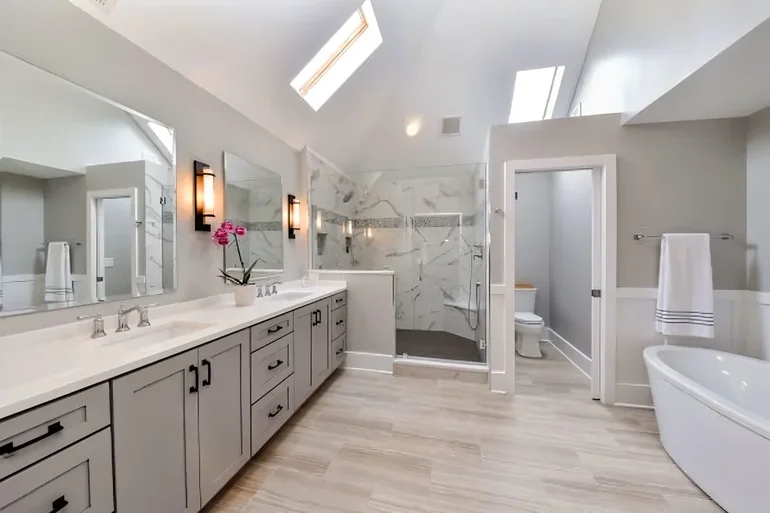

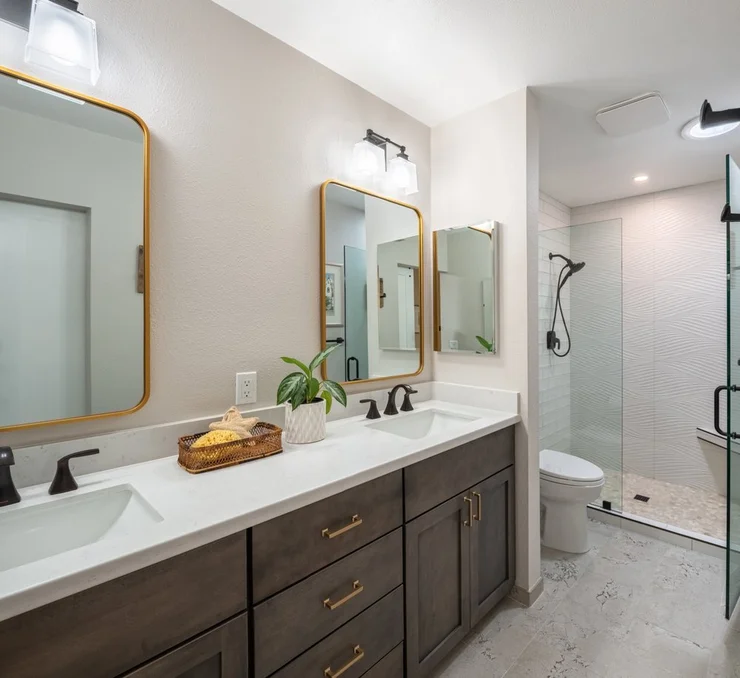
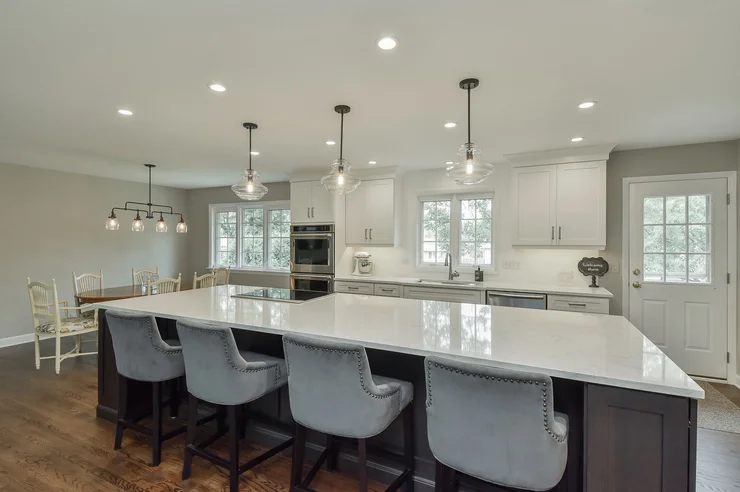
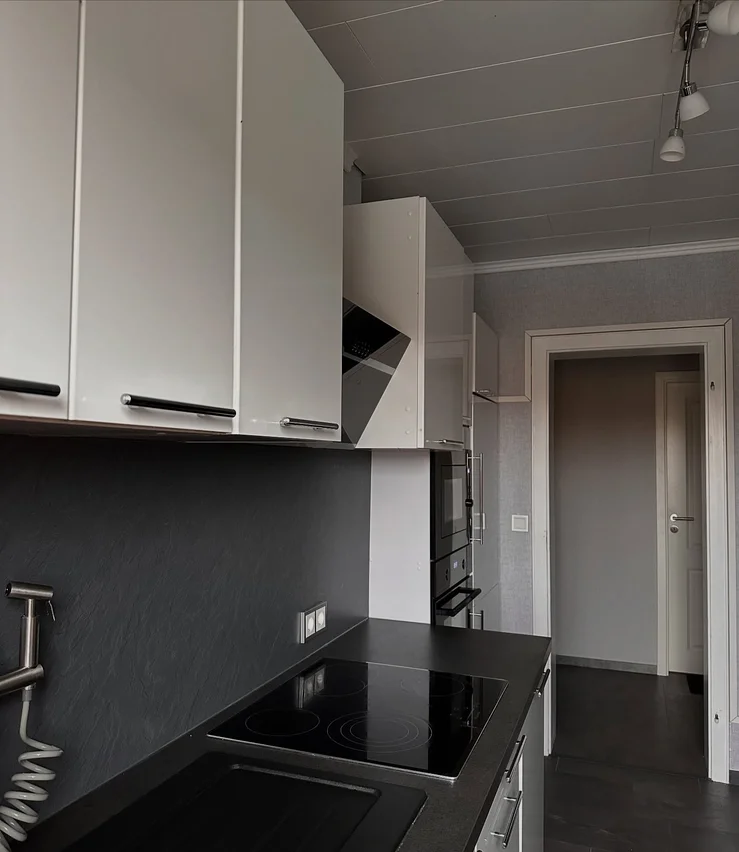
Bathroom remodeling in NYC often starts with a practical problem, not a design trend. The room may feel too cramped, too dated, too awkward to use, or simply less comfortable than it should be for everyday life. In many homes, the bathroom is one of the spaces where layout efficiency, routine, and long-term usability matter the most. A strong bathroom renovation is usually about improving how the room works, not just changing how it looks.
That matters even more in New York City, where bathrooms often have to do a lot within a limited footprint. Some projects stay focused on one room. Others become part of a larger apartment or home renovation once the homeowner starts looking at how the rest of the interior functions around that space. This page is meant to help you understand when bathroom remodeling makes sense, what kind of project path may fit your goals, and how to think more clearly about scope, comfort, and next steps.
When a Bathroom Remodel Starts to Make Sense
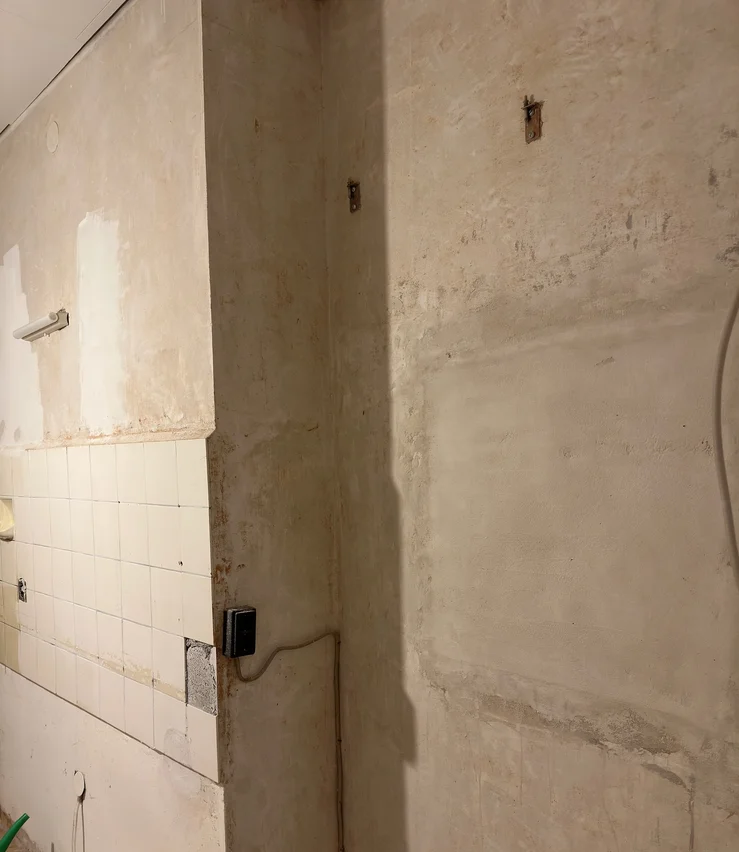
Not every bathroom needs a full renovation right away. But there is usually a point where smaller fixes stop solving the bigger issue. The room may technically still function, but daily use becomes less comfortable, the layout feels increasingly inefficient, or the finishes and fixtures no longer match how the space needs to perform.
A bathroom remodel often makes the most sense when the room feels outdated in ways that affect daily life, when comfort and usability are both falling short, or when patchwork improvements would only delay a more useful long-term solution. For many homeowners, the decision becomes clearer once they stop asking whether the room can be touched up and start asking whether it still works the way it should.
Full Bathroom Remodel vs. Targeted Update
One of the most common questions homeowners have is whether they need a full bathroom remodel or a more selective update. The answer depends on how broad the problems really are. If the room mainly needs surface-level improvement, a targeted renovation path may still make sense. But if layout, comfort, function, and the overall condition of the space are all working against you, the project often needs a more complete reset.
Targeted Bathroom Update
This path is often the better fit when the room still works reasonably well overall and the main goal is to refresh certain elements without rethinking the full space.
Full Bathroom Remodel
This usually makes more sense when the room feels dated in several ways at once, the layout is not serving daily use well, or the bathroom needs a broader renovation rather than scattered improvements.
Understanding that distinction early helps homeowners avoid under-scoping or over-scoping the project. It also leads to a clearer conversation about cost, planning, and what the room really needs.
Compact Bathrooms Need Better Layout Thinking
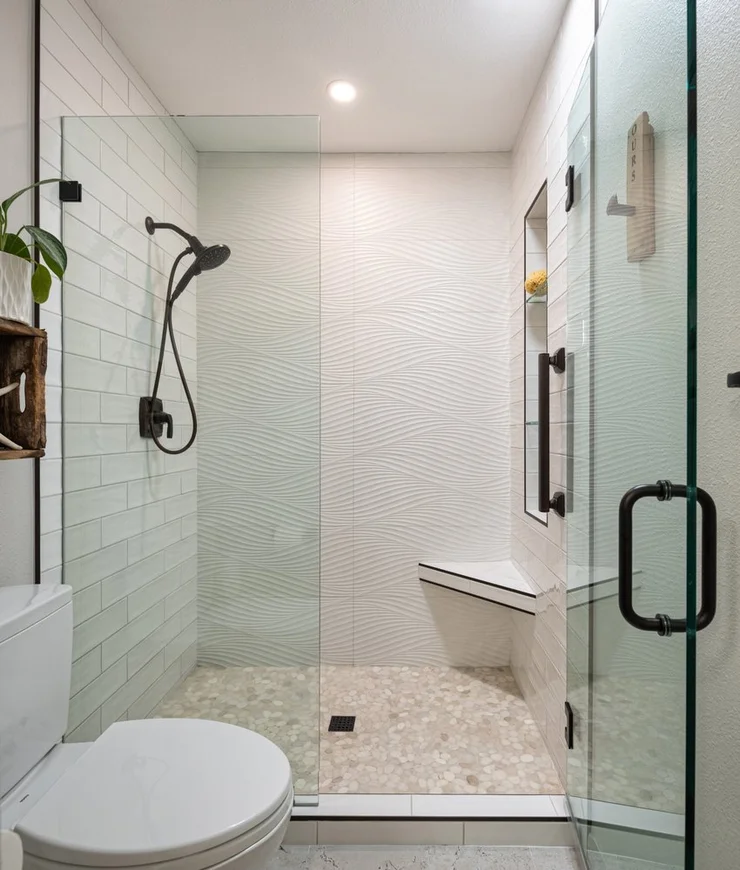
Bathroom renovation in NYC often works best when layout efficiency and long-term usability are considered together. In compact bathrooms, even small layout choices can have a big effect on comfort, movement, and the way the room feels to use every day. A bathroom does not have to be large to function well, but it does need to be organized in a way that supports real routines instead of fighting them.
That is why compact-space planning matters so much in city bathrooms. The project is not only about replacing old materials. It is often about making the room feel easier to move through, more practical to use, and better suited to daily life in a smaller urban home. When the layout is handled well, the entire bathroom can feel more comfortable without relying on oversized design gestures.
What Homeowners Usually Want to Improve
Bathroom remodeling projects are often driven by a small number of everyday goals that matter a lot in real use.
- Make the room more comfortable for daily routines
- Improve how the layout fits the way the bathroom is actually used
- Bring older finishes and fixtures up to a more practical standard
- Create a bathroom that feels easier to maintain and easier to live with
- Improve how a compact room handles movement, storage, and usability
- Replace a dated or awkward bathroom with a space that feels more functional over time
These goals may sound simple, but they shape the difference between a cosmetic update and a renovation that genuinely improves the room. The strongest bathroom projects usually solve more than one of these issues at the same time.
Practical Finish and Fixture Decisions Matter More Than Decorative Noise
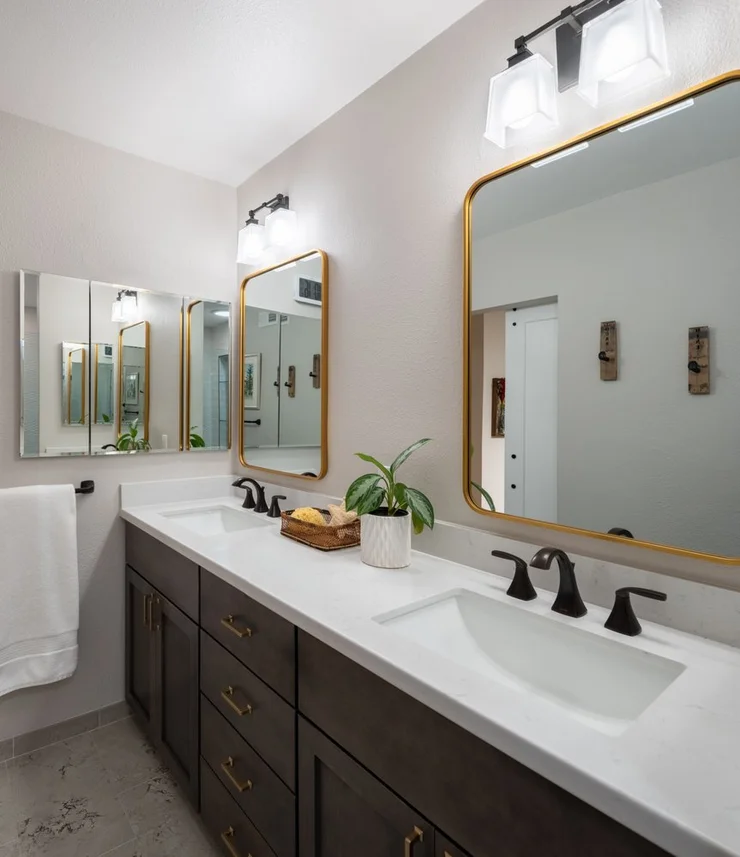
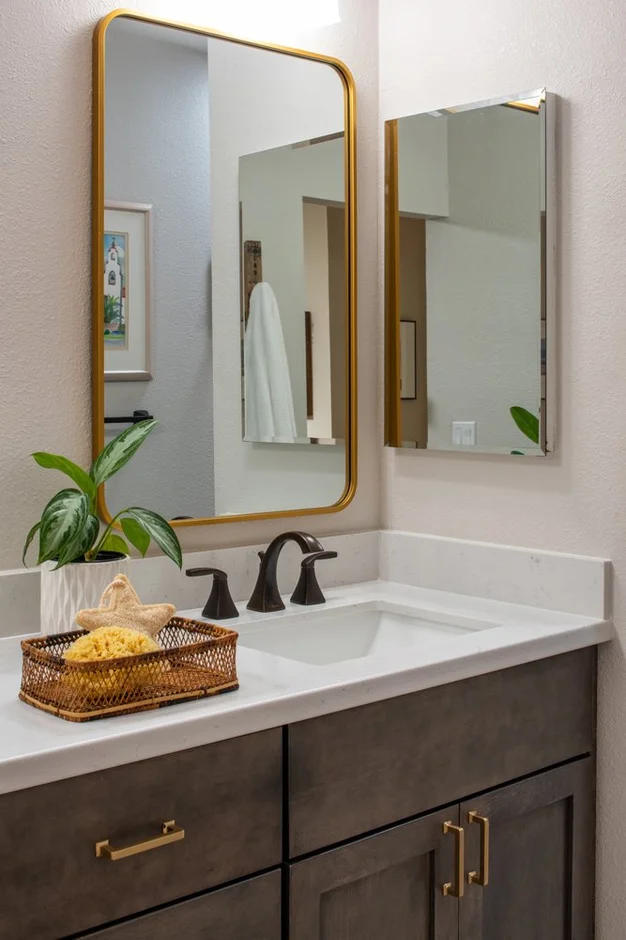
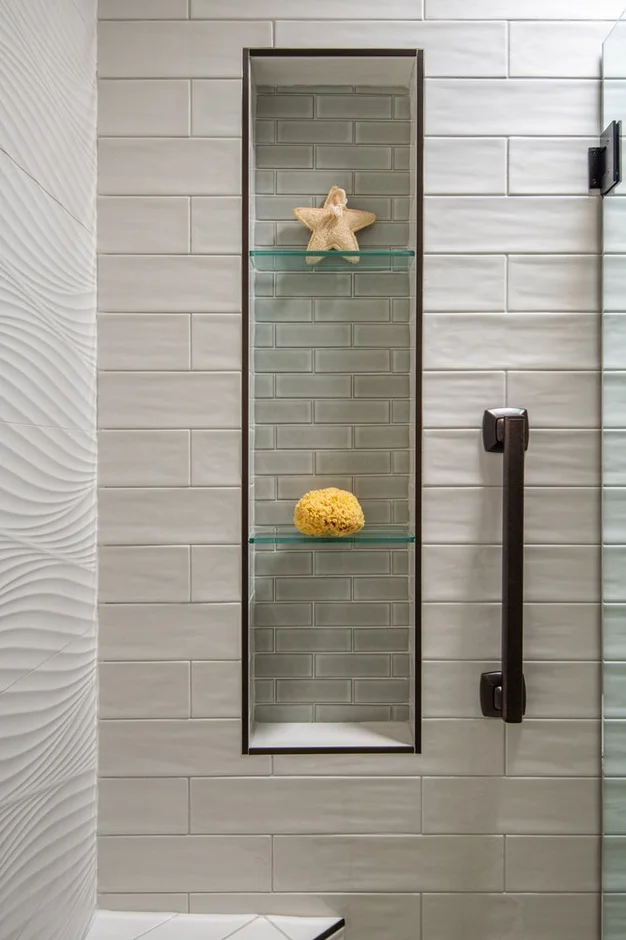
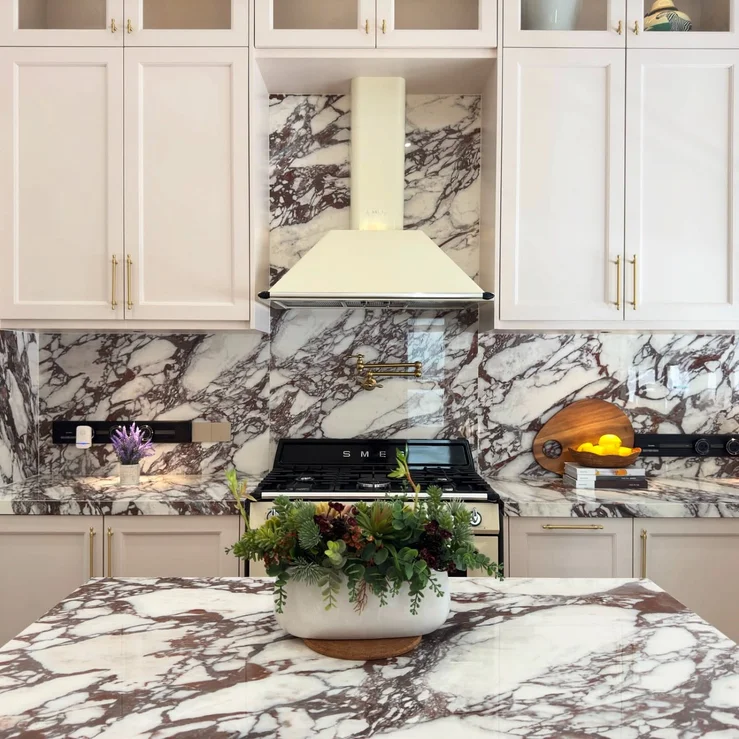
Bathroom design in NYC should support the way the room is used, not distract from it. Finish and fixture decisions matter because they affect comfort, maintenance, room feel, and how well the bathroom performs over time. The best choices are usually the ones that support daily function while also helping the room feel more current and more cohesive.
- Finish choices that make the room feel cleaner, simpler, and easier to maintain
- Fixture decisions that support comfort and layout fit
- Selections that make sense within the size and scale of the bathroom
- Material direction that feels practical as well as visually coordinated
This is one reason bathroom renovation and bathroom design often overlap in search behavior. Homeowners are not only looking for a new look. They are usually looking for choices that make the room easier to live with every day.
When Bathroom Remodeling Becomes Part of a Larger Renovation
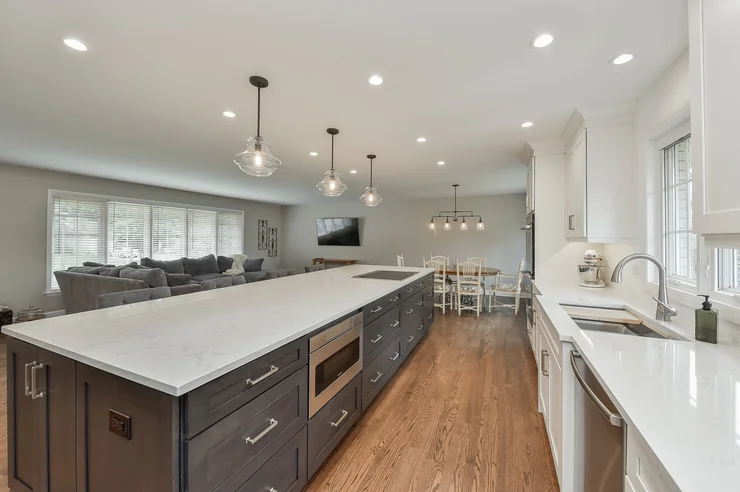
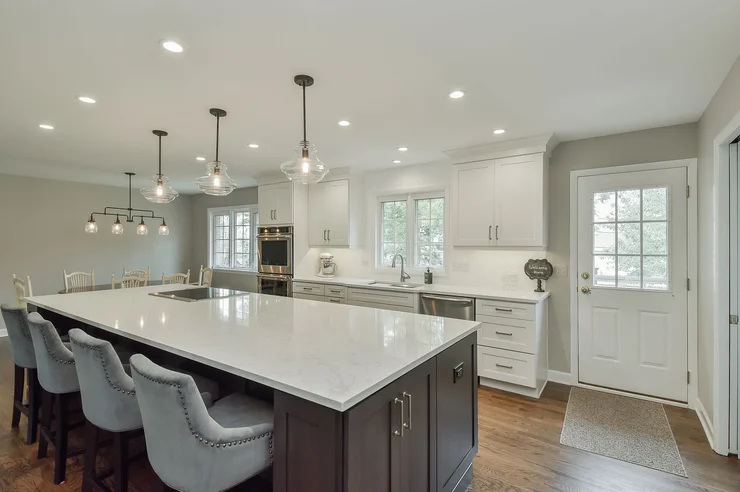
Some bathroom projects stay fully room-specific. Others become part of a broader renovation once it becomes clear that nearby spaces, layout flow, or the overall condition of the home need attention too. If the bathroom is only one piece of a bigger apartment update, it may make sense to look at apartment remodeling. If several rooms are moving toward a more connected project, a broader home renovation may be the better fit.
The point is not to make the project bigger than it needs to be. It is to make sure the bathroom is being planned in the right context. Some bathrooms can and should be treated as standalone room projects. Others work better when they are considered inside a larger renovation strategy.
What Affects Bathroom Remodeling Cost in NYC
Bathroom remodeling cost in NYC depends on more than the fact that one room is being renovated. The real cost picture is shaped by the depth of the project, the existing condition of the bathroom, whether the layout is changing, and how far the renovation goes beyond surface-level updates. A more complete bathroom reset will usually follow a different cost logic than a simpler improvement plan.
- The size and current condition of the bathroom
- The amount of layout change involved
- The level of finish and fixture selection
- Whether the renovation is limited to one bathroom or tied to a larger project
- How selective or full-scope the remodel needs to be
For broader pricing context, the NYC Renovation Cost Guide can help you compare project scope and understand how bathroom renovation decisions affect budget expectations.
Cost Is Only Part of the Planning Conversation
Bathroom projects also tend to raise questions about disruption, timing, and how much change the homeowner is ready to take on at once. That does not mean every project needs to be delayed until the perfect moment. It does mean that bathroom remodeling decisions are usually strongest when scope and practicality are weighed together. A renovation plan that fits your real goals is often more useful than chasing the smallest possible update or the largest possible reset.
Online repair cost calculation in New Yrk


Bathroom Renovation Across NYC
Bathroom remodeling demand is strong across New York City, including Manhattan and Brooklyn, because many bathrooms in the city share the same practical pressures: limited space, older layouts, and a need for better everyday function. Those local search patterns are real, but the page still works best as a city-level bathroom renovation resource rather than as a stack of borough variations. The strongest approach is to focus on what many NYC bathrooms genuinely have in common: the need for efficient planning, better comfort, and more useful space.
How the First Step Usually Starts
Most homeowners do not begin with every bathroom decision already settled. They begin by realizing the room needs more than minor improvement and wanting a clearer sense of what kind of project makes sense. The first useful step is usually understanding whether the renovation should stay selective or move toward a fuller remodel, and how the layout and daily-use goals should shape that decision.
If you want a clearer view of how that early stage is framed, visit How It Works. That page gives more context on how project planning starts and how the next step becomes easier to define once the bathroom scope is clearer.
FAQ
What makes bathroom remodeling different in NYC?
Bathroom remodeling in NYC is often shaped by compact layouts, stronger usability pressure, and the need to balance comfort with practical daily function. Many projects are driven as much by layout fit and long-term use as by finish updates.
When is a full bathroom remodel a better fit than a smaller update?
A full bathroom remodel is usually the better fit when the room feels dated in several ways at once, the layout is not working well, and smaller updates would not solve the larger comfort or usability issues. It becomes the stronger path when the bathroom needs a broader reset rather than selective improvement.
What matters most in a compact bathroom renovation?
In a compact bathroom renovation, layout efficiency, comfort, movement, and practical use matter the most. Smaller bathrooms benefit from choices that improve the way the room works every day instead of relying only on visual upgrades.
Can bathroom remodeling be part of a larger apartment or home renovation?
Yes. In many projects, bathroom remodeling is one part of a larger apartment or home renovation. That is often the right approach when surrounding spaces also need meaningful work or when the bathroom makes more sense inside a broader renovation plan.
What affects bathroom renovation cost the most?
The biggest cost factors are the condition and size of the bathroom, the amount of layout change involved, the finish and fixture level, and whether the project stays selective or becomes a broader full-scope remodel.
Move Toward a Bathroom Renovation That Fits Real Daily Use
If the bathroom no longer feels comfortable, practical, or aligned with the way you use your home, a clearer renovation plan can help define the right next step. The more accurately the room’s layout, condition, and daily-use goals are understood, the easier it becomes to choose a bathroom remodeling path that actually improves the space.